
| The active | Beetroot nitrates — naturally occurring nitrate compounds concentrated in beet root (Beta vulgaris). |
| How it works | The body converts nitrate → nitrite → nitric oxide, which helps blood vessels relax so blood flows more freely. |
| Why legs benefit | Better circulation means working leg muscles get oxygen and nutrients more readily — useful for walks, stairs and standing days. |
| Label tip | Look for beet root standardized to betaine nitrate (e.g. 50%) for a consistent dose. |
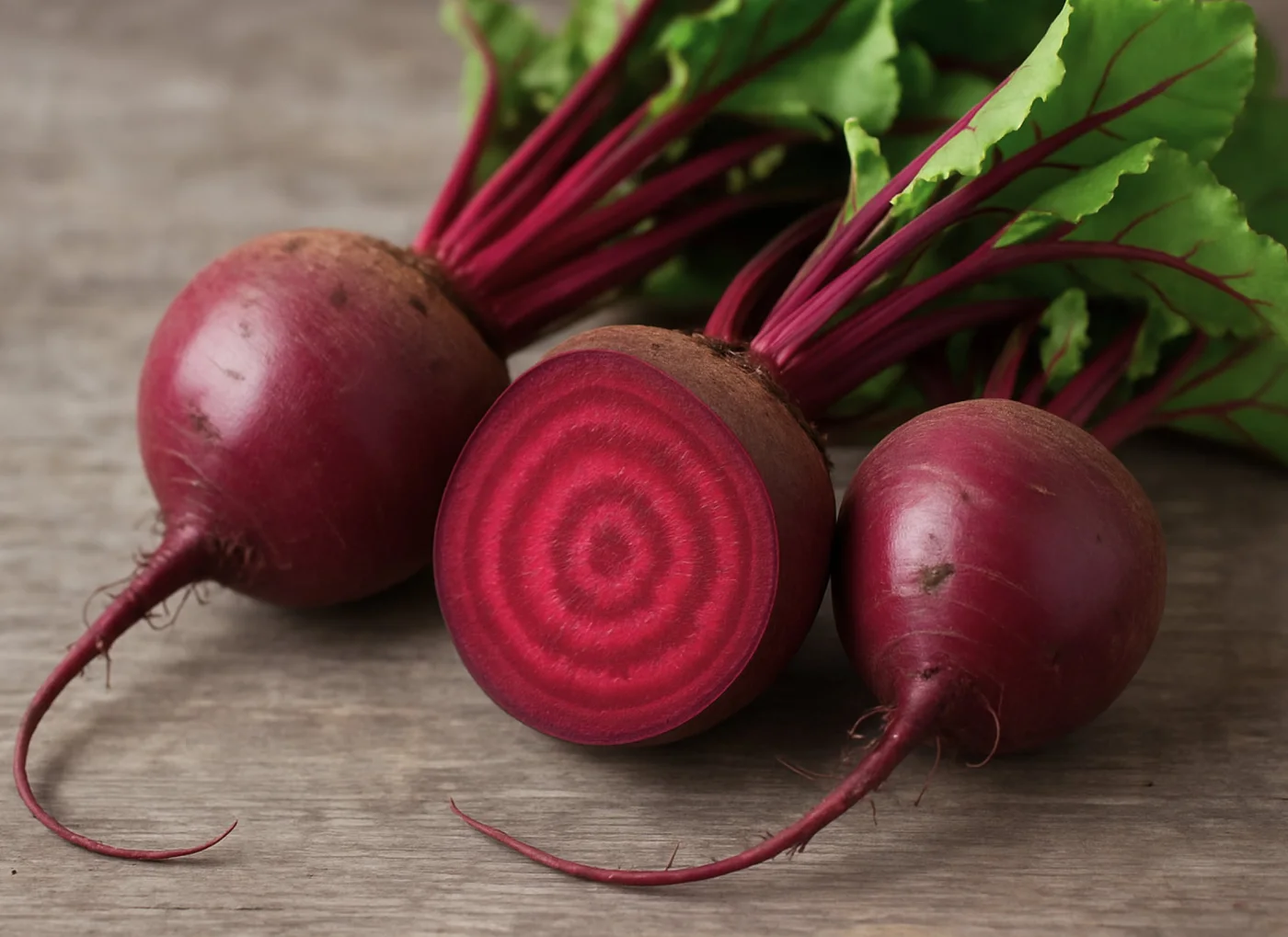
Beet root has quietly become one of the most talked-about ingredients in sports nutrition and healthy-aging circles — and the reason comes down to one word: nitrates. If you have wondered why endurance athletes drink beetroot juice before a race, or why a joint-and-mobility formula would bother including a root vegetable, this guide explains the mechanism from the ground up: how beetroot nitrates support circulation, why that matters for the blood flow to your legs, and what the label details actually mean.
As with everything we write, the focus is the science of the ingredient, not disease claims. Beet root is a food-derived nutrient with a well-documented role in the body’s own nitric-oxide system — and that system is central to healthy, everyday circulation.
Dietary nitrates are simple nitrogen-and-oxygen compounds found naturally in many plants — most famously beet root, but also leafy greens like spinach, rocket and chard. On their own they are inert. Their power comes from what the body does with them. Beet root happens to be one of the richest and most convenient concentrated sources, which is why it dominates the conversation.
It is worth clearing up a common confusion straight away: the nitrates naturally present in vegetables are not the same context as the added nitrite preservatives sometimes discussed in processed meats. Vegetable nitrates arrive packaged with antioxidants and polyphenols, and decades of research treat them as part of a heart- and circulation-friendly dietary pattern.
Here is the mechanism in plain English — a three-step relay the body runs every time you eat nitrate-rich food:
Nitric oxide is the payoff. It signals the smooth muscle lining your blood vessels to relax, a process called vasodilation. When vessels relax and widen, blood moves more freely and with less resistance. For your legs — where blood has to travel the farthest and fight gravity on the way back — that easier flow is exactly the kind of everyday circulation support that keeps walks, stairs and standing days feeling lighter.
This is the same nitric-oxide pathway that L-citrulline feeds into from a different direction. If you want to compare the two routes to nitric oxide, our guide on L-citrulline vs L-arginine for nitric oxide picks up that thread in detail.
This nitrate-to-nitrite-to-nitric-oxide route is now well mapped in the physiology literature: Jones (2021), writing in Medicine & Science in Sports & Exercise, traces dietary nitrate from the mouth through the circulation into skeletal muscle, which is why the oral bacteria step described above is not a footnote but part of the pathway itself.
Every tissue that works — a calf muscle on the stairs, the connective tissue around a knee, the small muscles that keep you upright at the kitchen counter — depends on a steady delivery of oxygen and nutrients and an efficient removal of waste. Circulation is the delivery service that makes all of it possible. As we age, that delivery can become a little less efficient, which is one reason legs are often the first place people notice a change in how movement feels.
Supporting the body’s natural nitric-oxide production is one of the most direct, food-first ways to support that delivery service. It does not “treat” anything — it simply helps the plumbing do what healthy plumbing is supposed to do. Pair that with regular movement (which itself stimulates circulation) and you have a genuinely synergistic routine. Our overview of how to support healthy legs and joint mobility naturally covers the movement-and-nutrition side in full.
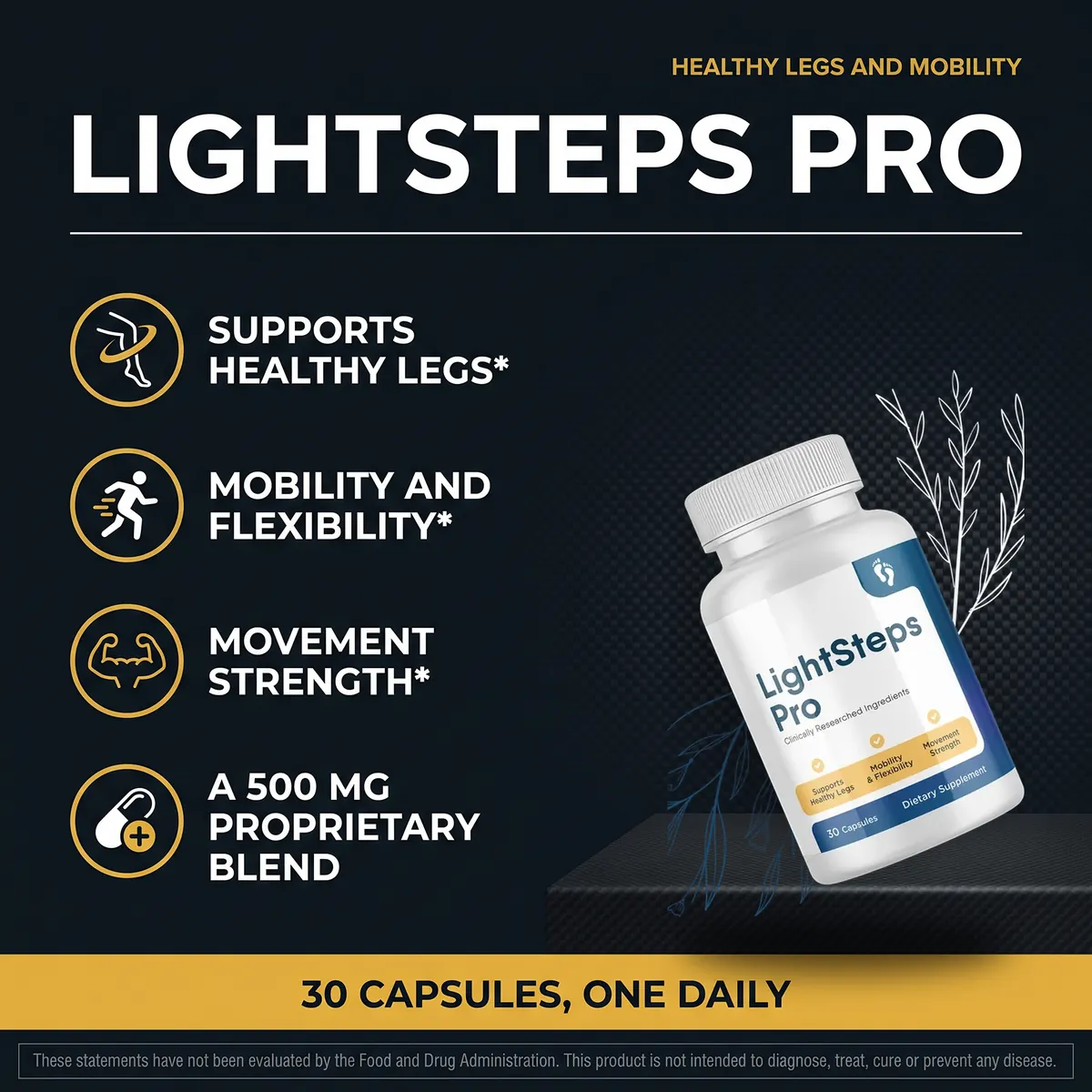
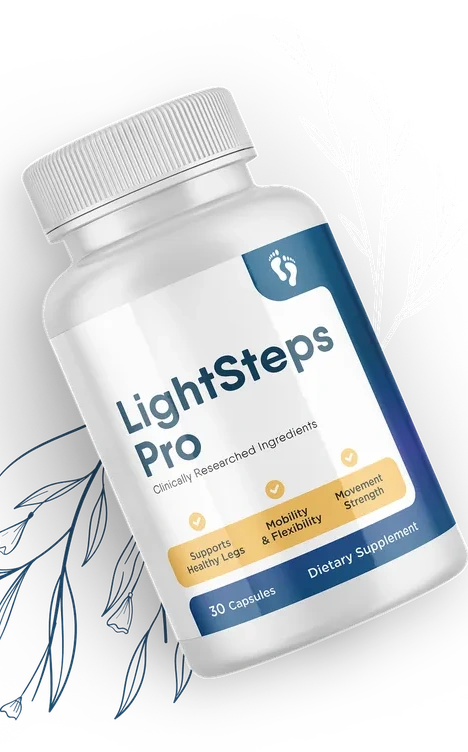
LightSteps Pro pairs standardized beet root with L-citrulline and hibiscus — a plant-based approach to healthy leg circulation, once a day, with a 60-day guarantee.
This is where smart shopping happens. A bag of dried beet root and a concentrated beet root extract are not the same thing. Because a plant’s nitrate content varies with soil, season and variety, a serious ingredient is standardized — processed and tested so each serving carries a stated percentage of the active fraction.
On a quality label you will see wording such as “Beet Root Extract standardized to 50% betaine nitrate.” That figure tells you two things: the extract is concentrated (so you are not relying on the low, variable nitrate content of raw powder), and the amount is consistent from serving to serving. A plain listing of “beet root powder” with no standardization gives you no guarantee of how much of the active you are actually getting. This is the same principle we walk through for every active in our joint supplement label guide — standardization is the difference between a real dose and a decorative one.
The clearest human evidence that this pathway does something measurable comes from blood-pressure work: a systematic review and meta-analysis of randomised trials found that nitrate derived from beetroot juice lowered blood pressure in people with arterial hypertension (Benjamim and colleagues, Frontiers in Nutrition, 2022). That is a circulation read-out, not a joint one, and it is worth keeping the distinction straight.
Both deliver nitrates; they simply suit different routines.
For a targeted pre-workout surge, juice has its fans. For steady, everyday support that you will actually keep up, a standardized extract in a once-daily capsule is the more practical route — which is exactly how beet root appears in LightSteps Pro.
A few evidence-informed habits help the pathway work at its best:
More recent work has also tested how the effect holds up over weeks rather than hours. A 2026 systematic review and meta-analysis of randomised clinical trials in Nutrition Research examined the effects of chronic nitrate supplementation on blood pressure in adults, a useful reminder that a daily nitrate source is studied as a habit, not a single dose.
Beet root is a food, and for most people it is very well tolerated. Two harmless quirks are worth knowing: beeturia (a pink tinge to urine or stool from the natural pigment) and, for some, a mild change in blood pressure because nitric oxide relaxes vessels. If you take blood-pressure medication, use nitrate-based heart medication, are prone to kidney stones, or are pregnant or nursing, check with your clinician before adding a concentrated beet root supplement. As always, follow the label and treat supplements as support for — not a replacement for — a healthy diet and regular movement.
Beetroot nitrates support circulation through one of the most elegant pathways in nutrition: nitrate becomes nitrite becomes nitric oxide, the molecule that relaxes your blood vessels so blood can flow more freely to hard-working leg muscles. It is a food-first, mechanism-clear way to support the delivery system your legs and joints depend on. When you shop, favour beet root that is standardized to betaine nitrate, stay consistent, protect the tongue-bacteria step, and pair it with the daily movement that makes any circulation strategy work. Combined with L-citrulline and antioxidant-rich hibiscus, beet root becomes part of a genuinely well-rounded circulation and mobility routine.
Beet root is rich in dietary nitrates. The body converts nitrate to nitrite and then to nitric oxide, a molecule that helps blood vessels relax and widen. Wider, more relaxed vessels support healthy blood flow, including to hard-working leg muscles.
A beet root extract standardized to a percentage of betaine nitrate (for example 50 percent) tells you the extract is concentrated for its nitrate-bearing compounds, so each serving delivers a consistent, measurable amount rather than a variable one.
Nitric oxide from dietary nitrate typically rises within a couple of hours of intake and stays elevated for several hours. For steady, everyday circulation support most people use beet root daily and consistently rather than as a one-off.
Both provide nitrates. Juice delivers a large but variable dose with more sugar; a standardized beet root extract delivers a smaller, consistent, low-sugar amount that is easier to take daily. The best choice depends on your goal and routine.
The nitrate to nitric oxide pathway depends partly on friendly bacteria on the tongue. Strong antibacterial mouthwash can blunt this first conversion step, so many people avoid it around the time they take nitrate-rich foods or supplements.
Beet root, L-citrulline and hibiscus in one capsule — plant-based circulation support built for everyday movement. Best value on the multi-bottle packs.
Get LightSteps Pro Today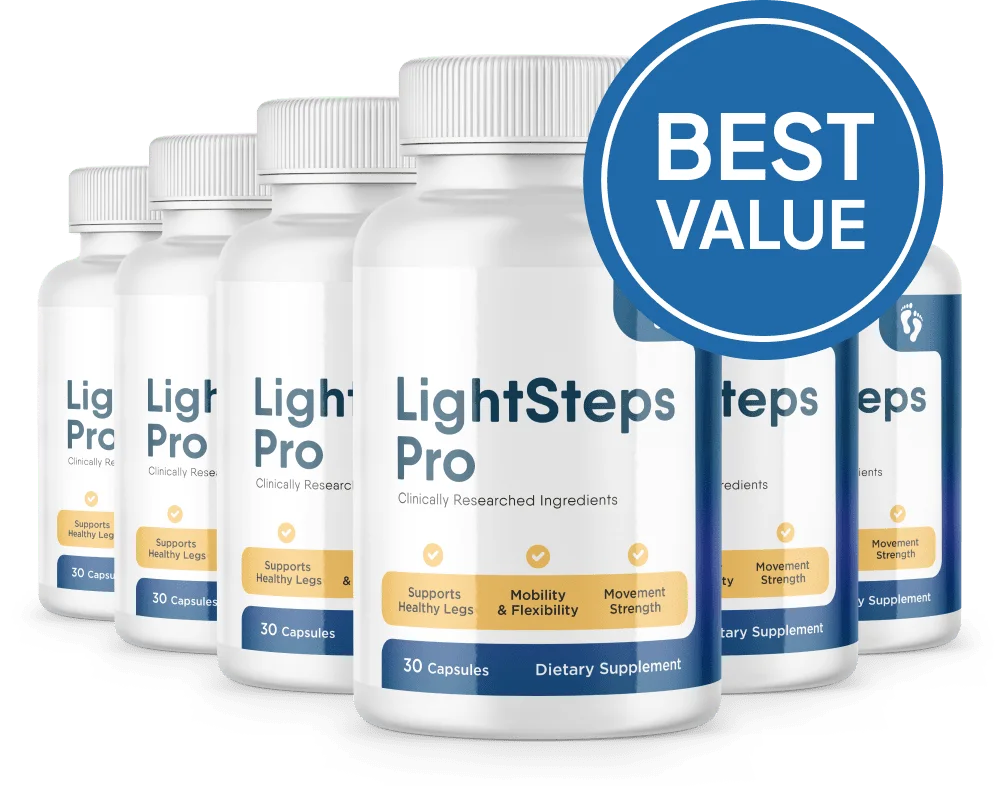
The LightSteps Pro Research Team is an independent group of nutrition and mobility writers who translate ingredient science into plain language. We draw on published nutrition research and the traditional-use record for each botanical, and we make no disease or treatment claims. This article is educational and describes the general and traditional use of the ingredients discussed — it is not medical advice.
† These statements have not been evaluated by the FDA. This product is not intended to diagnose, treat, cure or prevent any disease. This article is for general information only and is not medical advice.