
| Both do the same job | L-citrulline and L-arginine both feed the body’s nitric oxide production, which supports healthy blood flow. |
| The twist | Oral L-citrulline often raises blood arginine more effectively than arginine itself, because it dodges rapid first-pass breakdown. |
| The verdict | For sustained nitric-oxide support from a supplement, many people find L-citrulline the more reliable choice. |
| Label tip | DL-malate means citrulline bound to malic acid — a popular form for blood flow and everyday stamina. |
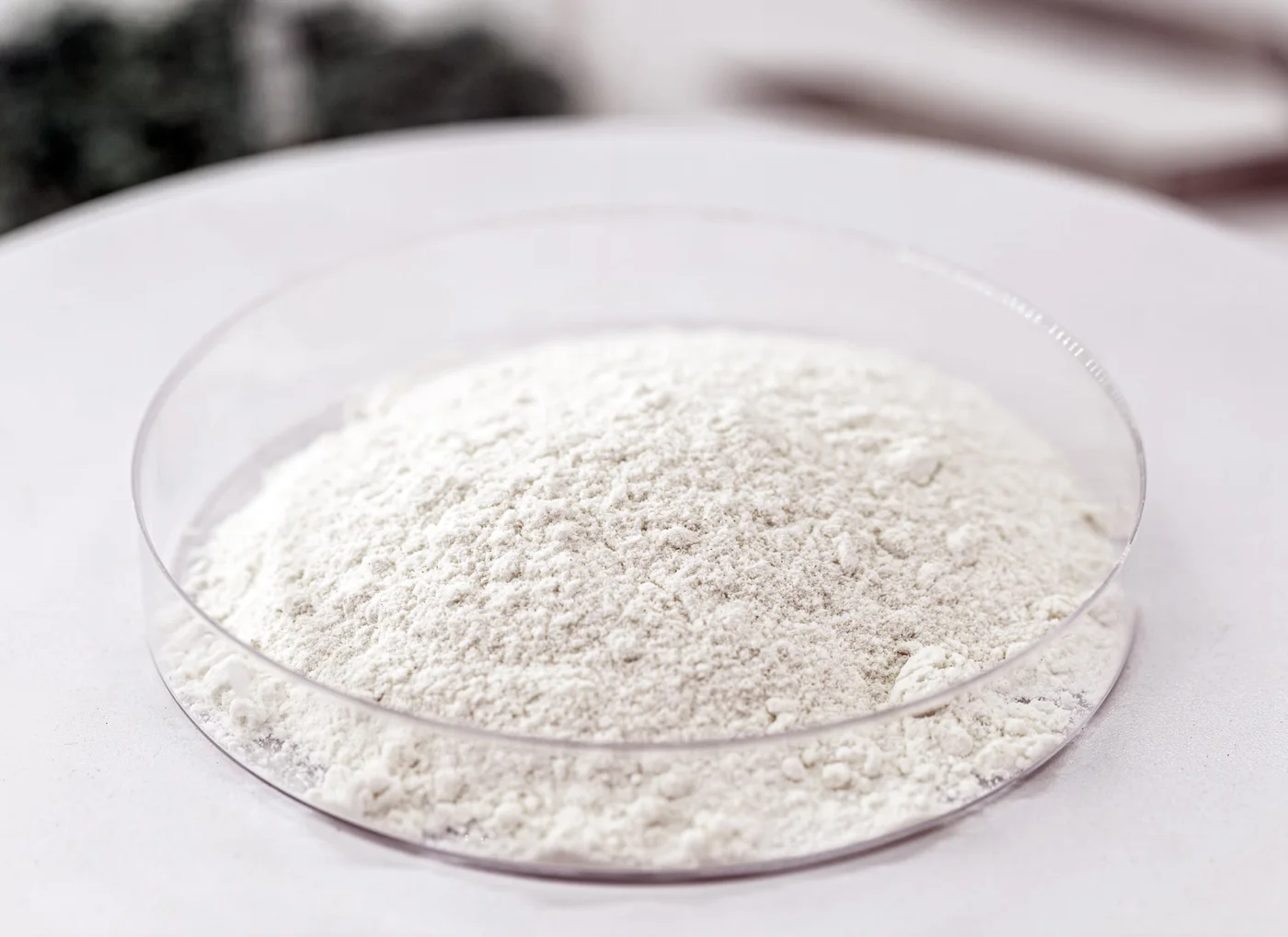
If you have shopped for a circulation, pump or leg-comfort supplement, you have met these two amino acids side by side and probably wondered which one to trust. The L-citrulline vs L-arginine question is one of the most genuinely interesting in nutrition, because the intuitive answer turns out to be wrong. Arginine is the amino acid the body actually uses to make nitric oxide — so surely arginine is the better supplement? Not necessarily. This guide walks through the mechanism, the research, and the practical verdict for blood flow and healthy leg circulation.
As always, this is an ingredient-and-mechanism explainer, not a medical claim. Nitric oxide is part of normal physiology, and both amino acids are simply nutrients that feed that natural system.
Nitric oxide (NO) is a tiny signalling molecule your body makes on demand. Its headline job is vasodilation — telling the smooth muscle in your blood-vessel walls to relax so vessels widen and blood flows more freely. For legs that carry you up stairs and through long walks, healthy blood flow means oxygen and nutrients arrive more readily and waste clears more efficiently. That is why nitric-oxide support has become a cornerstone of both sports nutrition and healthy-aging formulas.
There are two main dietary routes to more nitric oxide. One is the nitrate pathway, fed by vegetables like beet root — we cover it fully in beetroot nitrates for circulation. The other is the arginine pathway, where the amino acid arginine is converted directly into nitric oxide by an enzyme called nitric oxide synthase. L-citrulline and L-arginine both belong to this second route — and that is where the head-to-head begins.
On paper, L-arginine should win. It is the direct precursor — the raw material the enzyme turns into nitric oxide. So supplementing arginine should raise nitric oxide, right?
The problem is the journey. When you swallow L-arginine, a large share of it never makes it into general circulation. In the gut and liver it runs into an enzyme called arginase, which breaks arginine down before it can reach your bloodstream — a phenomenon called first-pass metabolism. The result is that oral arginine can produce a smaller, shorter, and more variable rise in blood arginine than its reputation suggests, and higher doses often cause digestive upset.
The blood-flow question has been put to the test directly in the group that cares most about it. A study in Experimental Physiology asked whether l-citrulline supplementation improves exercise blood flow in older adults (Gonzales and colleagues, 2017) — exactly the “can my legs keep up” end point, rather than a laboratory marker.
Here is where it gets elegant. L-citrulline is not a target of arginase. When you take it, it passes through the gut and liver largely untouched, travels to the kidneys, and is there converted into arginine — which then enters the bloodstream. The counter-intuitive upshot, shown repeatedly in research, is that oral L-citrulline can raise blood arginine levels more effectively and for longer than taking arginine directly.
In other words, if your goal is more circulating arginine to feed nitric-oxide production, the smarter delivery vehicle is often citrulline, not arginine. It also tends to be gentler on the stomach at effective amounts. That combination — better absorption, steadier arginine levels, easier tolerance — is why citrulline has quietly overtaken arginine in many modern formulas, including the L-citrulline in LightSteps Pro.
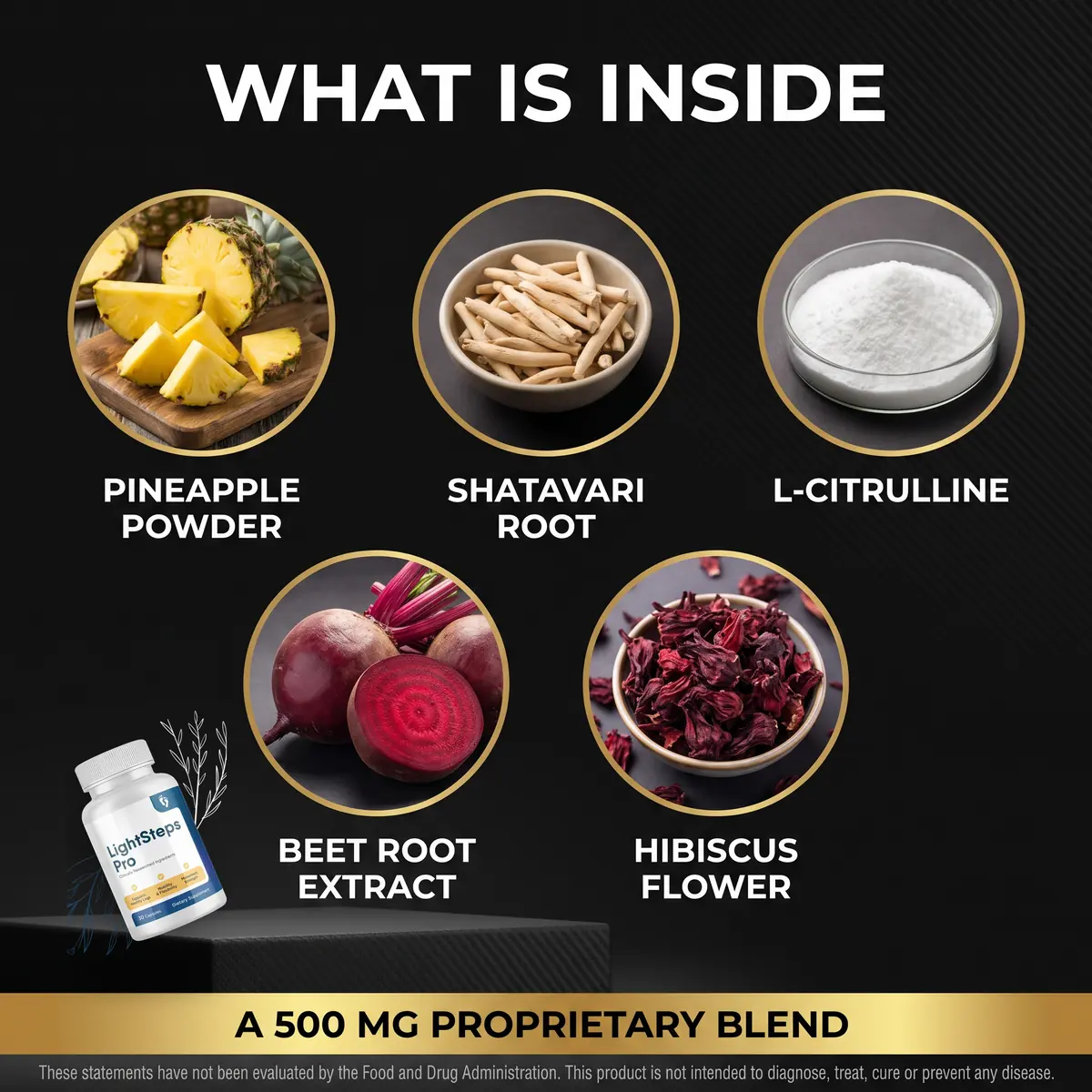
| Factor | L-Citrulline |
|---|---|
| Role | Converts to arginine in the kidneys, then feeds nitric oxide |
| Absorption | Bypasses arginase first-pass breakdown — efficient |
| Effect on blood arginine | Often raises it more than arginine itself |
| Digestive tolerance | Generally well tolerated at effective amounts |
| Common form | DL-malate (bound to malic acid) or pure citrulline |
| Factor | L-Arginine |
|---|---|
| Role | Direct precursor the enzyme turns into nitric oxide |
| Absorption | Heavily reduced by arginase in gut and liver |
| Effect on blood arginine | Shorter, more variable rise from oral doses |
| Digestive tolerance | Higher doses more likely to cause upset |
| Common form | L-arginine or arginine alpha-ketoglutarate (AAKG) |
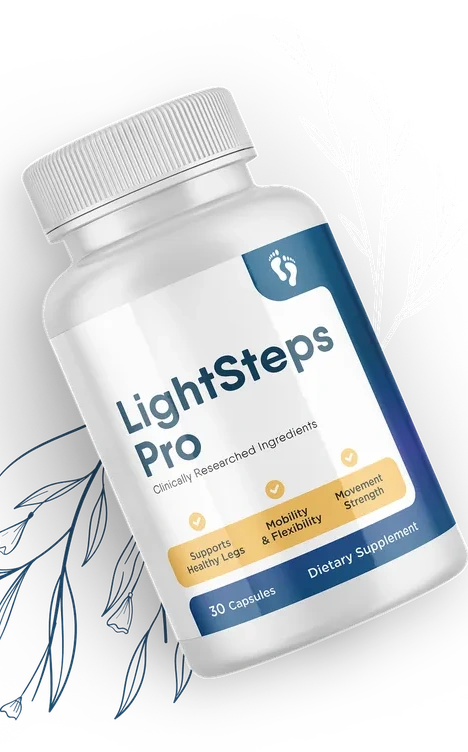
LightSteps Pro uses L-citrulline alongside beet root nitrates for two-pathway circulation support — one daily capsule, 60-day guarantee.
The malate form has its own literature, and it is not uniformly flattering. A critical review in the European Journal of Applied Physiology weighed citrulline malate supplementation and exercise performance (Gough and colleagues, 2021), including the dosing and timing inconsistencies that make trials hard to compare.
You will often see citrulline sold as L-citrulline DL-malate rather than pure citrulline. The “DL-malate” is malic acid — a compound involved in the cell’s energy-producing Krebs cycle — bonded to the citrulline. The pairing is popular because it couples nitric-oxide support with a nudge toward cellular energy, and many users report it helps with the everyday fatigue that comes from working muscles.
Labels sometimes show a ratio such as 2:1 or 1:1 (citrulline to malate). The ratio matters because it tells you how much of the weight is actually citrulline. A 2:1 product is roughly two-thirds citrulline; a 1:1 product is about half. This is exactly the sort of detail our joint supplement label guide teaches you to check, so you are comparing like with like rather than being dazzled by a big milligram number.
Here is the practical insight that resolves the whole debate: the two nitric-oxide pathways are complementary, not competing. Beet root feeds the nitrate route; L-citrulline feeds the arginine route. Using both is like supporting a river from two tributaries — a broader, steadier flow than relying on either alone. That is precisely the design logic behind pairing beet root and L-citrulline in a single formula, and it is why a good circulation supplement rarely bets everything on one amino acid.
Nitric-oxide support is only one lever, of course. Comfort botanicals like pineapple bromelain and black cumin seed address a different part of the mobility picture, and none of it replaces the fundamentals covered in how to support healthy legs and joint mobility naturally.
For the bigger picture, a review in Exercise and Sport Sciences Reviews argues that L-citrulline supports the vascular and muscular benefits of exercise training in older adults (Figueroa and colleagues, 2020) — supports, alongside training, rather than substitutes for it.
Because both amino acids support vasodilation, they can add to the effects of certain medications. Speak with a healthcare professional before use if you take blood-pressure medication, nitrates, or erectile-dysfunction drugs, or if you are pregnant or nursing. Start at the label amount, and remember that supplements support a healthy lifestyle rather than substitute for it.
For most people using a supplement to support nitric oxide and blood flow, L-citrulline is the more effective and better-tolerated choice — a counter-intuitive result driven entirely by absorption. Arginine is the molecule the body uses, but citrulline is the smarter way to deliver it. And the truly complete approach does not force a choice at all: pair L-citrulline with beet root nitrates to support your body’s nitric-oxide system from two directions, and you give your legs’ circulation the broad, steady backing it thrives on.
Both raise nitric oxide, but research suggests oral L-citrulline can raise blood arginine levels more effectively than arginine itself, because citrulline bypasses the rapid first-pass breakdown that limits supplemental arginine. Many people find citrulline the more reliable route for sustained nitric oxide support.
Supplemental arginine is largely broken down in the gut and liver by the enzyme arginase before it reaches the bloodstream. L-citrulline is not a target of arginase, so it passes through and is then converted to arginine in the kidneys, producing a steadier rise in circulating arginine.
L-citrulline DL-malate is L-citrulline bound to malic acid. The malate portion is involved in cellular energy production, and the combined form is popular for supporting blood flow and reducing everyday exercise fatigue. Labels may show a ratio such as 2:1 citrulline to malate.
Yes. They support nitric oxide through complementary routes: beet root supplies dietary nitrate for the nitrate pathway, while L-citrulline feeds the arginine pathway. Using both is a common way to support healthy circulation from two directions.
Because both can support vasodilation, anyone taking blood-pressure or erectile-dysfunction medication, nitrates, or who is pregnant or nursing should consult a healthcare professional first. Start with the label amount and monitor how you feel.
L-citrulline and beet root nitrates together — nitric-oxide support from two directions, plus four more plant actives for comfort and mobility. Best value on the multi-bottle packs.
Get LightSteps Pro Today
The LightSteps Pro Research Team is an independent group of nutrition and mobility writers who translate ingredient science into plain language. We rely on peer-reviewed research and the traditional-use record for each ingredient, and we make no disease or treatment claims. This article is educational and describes general use of the nutrients discussed — it is not medical advice.
† These statements have not been evaluated by the FDA. This product is not intended to diagnose, treat, cure or prevent any disease. This article is for general information only and is not medical advice.