
| The seed | Black cumin seed (Nigella sativa) — a small dark seed used across the Middle East, South Asia and North Africa for centuries. |
| The active | Thymoquinone, an antioxidant compound thought to drive most of the seed’s traditional benefits. |
| For joints | Traditionally used to support the body’s own balanced comfort response after everyday activity — not a painkiller. |
| Label tip | Prefer an extract standardized to thymoquinone over plain ground seed. |
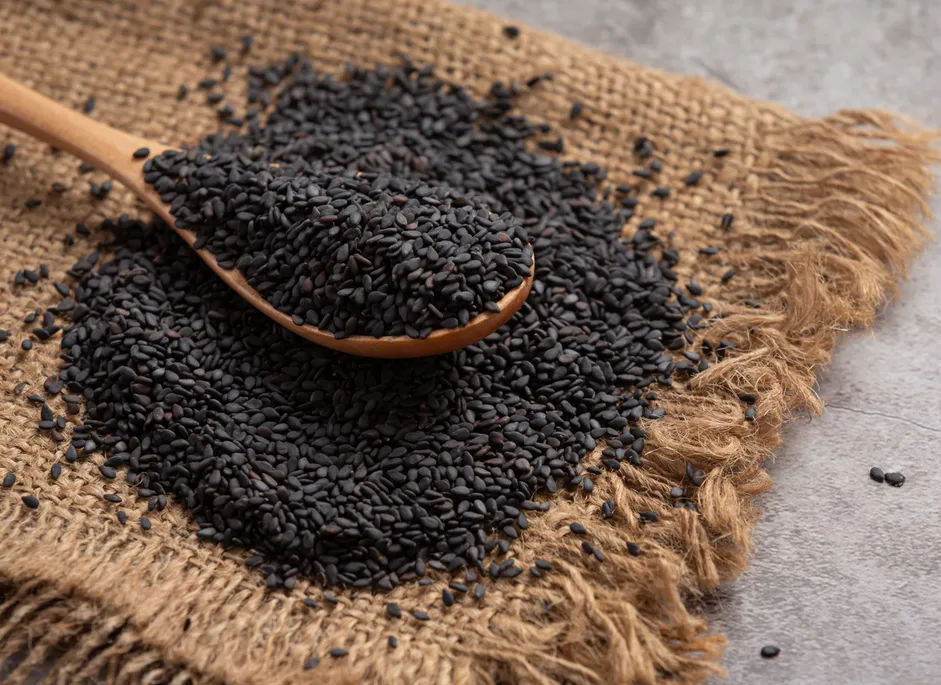
Few ingredients carry a reputation quite like black cumin seed. Known as Nigella sativa to botanists, kalonji in South Asian kitchens, and “the blessed seed” in centuries of traditional medicine, it has been used for so long and for so many purposes that modern science has spent decades trying to catch up. For readers focused on staying comfortably mobile, one question matters most: what does black cumin seed — and its star compound thymoquinone — actually do for joint comfort, and how do you recognise a quality version on a label?
This is an ingredient explainer, so we will keep to mechanism and traditional use, without disease or treatment claims. Black cumin seed is a food-and-botanical with a rich history and a growing research base — and understanding it helps you shop smarter.
Black cumin seed comes from the flowering plant Nigella sativa, native to a broad stretch of Asia, the Middle East and the Mediterranean. Despite the name, it is not related to the cumin you keep in the spice rack, nor to caraway — it simply resembles them. The tiny, angular black seeds have a warm, slightly bitter, peppery flavour and appear on naan, in pickles, and in traditional tonics across dozens of cultures.
Its use in traditional systems — Unani, Ayurveda and folk medicine across the Islamic world — spans everything from digestion to respiratory comfort to skin. That breadth is a clue that the seed contains a versatile mix of actives. And when researchers went looking for the compound behind the reputation, one name kept surfacing.
Thymoquinone is the principal bioactive constituent of black cumin seed — the molecule most studies credit with the seed’s effects. Chemically it is a quinone, and it behaves as a potent antioxidant: a compound that helps the body neutralise reactive molecules and manage the ordinary oxidative stress that comes with an active life.
Why does antioxidant activity connect to joint comfort? Because the tissues in and around joints work hard, and hard-working tissue generates oxidative by-products as a normal part of activity. Antioxidants are the body’s way of keeping that process in balance. By contributing antioxidant support, thymoquinone is thought to help the body maintain its own healthy, balanced comfort response rather than overriding sensation the way a painkiller would. That distinction — supporting the body’s balance versus masking a signal — is the whole philosophy behind botanical comfort ingredients.

The wider profile of the seed has been catalogued in the food-science literature. A 2025 review in Food Science & Nutrition surveys the functional, nutraceutical and pharmacological properties of black seed, which is the best single starting point if you want the whole picture rather than one compound.
Putting the mechanism together, black cumin seed supports comfort through a few complementary routes that traditional use and modern study both point to:
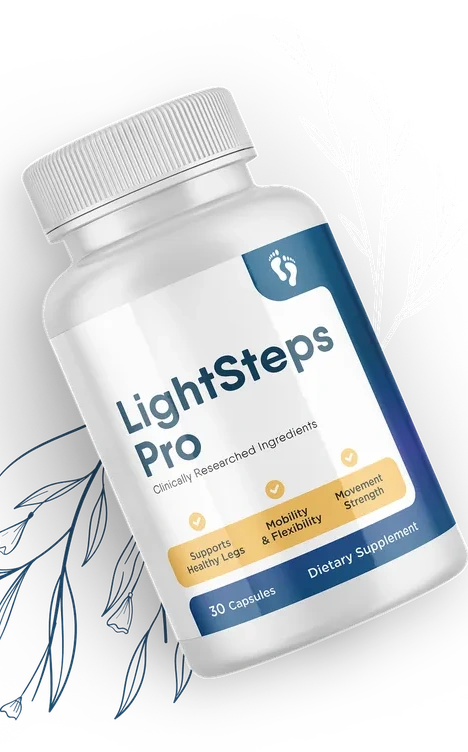
This is why black cumin seed pairs so naturally with other comfort and recovery botanicals. In LightSteps Pro, it sits alongside pineapple bromelain — another comfort-support active you can read about in what bromelain does for joints — plus shatavari root for resilience, so the comfort side of the formula does not rest on one ingredient alone.
LightSteps Pro combines black cumin seed, pineapple bromelain and hibiscus for everyday comfort support — one plant-based capsule, 60-day guarantee.
The seed has also been taken into the clinic. A double-blind, randomised, placebo-controlled trial reported the efficacy and safety of oral Nigella sativa oil for symptomatic treatment of knee osteoarthritis (Huseini and colleagues, Complementary Therapies in Clinical Practice, 2022) — a study of the oil specifically, which is why the oil-versus-extract distinction below matters so much.
These terms get used loosely, so here is the plain distinction — all three come from the same Nigella sativa plant:
For a supplement whose whole point is a reliable daily amount, a standardized extract is the most dependable form — you know what you are getting in every serving. This is the same standardization principle we apply to every active in our joint supplement label guide.
Because forms differ so much, there is no single “correct” number — potency depends on thymoquinone content, not seed weight alone. Studies have used a wide range of black cumin seed preparations, and traditional use spans from a pinch of seed daily to concentrated extracts. The practical takeaway is not a magic milligram figure but a principle: a standardized extract lets a modest, consistent amount do the work of a much larger, variable serving of raw seed. Always follow the label of the specific product you choose, and treat the botanical as one part of a broader routine.
Comfort support is one half of the mobility equation; circulation is the other. While black cumin and bromelain support the comfort side, ingredients like beet root and L-citrulline support blood flow to the legs — you can explore that side in beetroot nitrates for circulation. And none of it replaces the daily fundamentals of movement, nutrition and rest laid out in how to support healthy legs and joint mobility naturally. A good formula and good habits are partners, not substitutes.
An earlier study in the same journal looked at the effect of black cumin oil on pain in geriatric individuals with osteoarthritis. Read alongside the trial above, it shows how small and specific this literature still is: the studies are on defined preparations in defined groups, not on black cumin in general.
Black cumin seed has a long record of safe culinary use, but a concentrated extract is a different matter. Talk to a healthcare professional before using it if you:
As with any supplement, start at the label amount and pay attention to how you feel.
Black cumin seed earns its centuries-old reputation the honest way: through thymoquinone, an antioxidant compound that helps the body manage everyday oxidative stress and support its own balanced comfort response. For joints, that makes it a comfort-support botanical — a helper for staying comfortably active, not a treatment for pain. When you shop, favour an extract standardized to thymoquinone, understand the difference between seed, oil and extract, and let black cumin do its best work as part of a complete routine that also supports circulation and rewards consistent daily movement.
Thymoquinone is the main bioactive compound in black cumin seed (Nigella sativa). It is an antioxidant molecule and is considered the active most responsible for the seed’s traditional use in supporting the body’s healthy comfort and balance.
Black cumin seed is traditionally used to support the body’s own balanced comfort response after everyday activity. Its antioxidant thymoquinone is studied for helping the body manage ordinary oxidative stress. It supports comfort rather than acting as a painkiller.
They come from the same plant, Nigella sativa. Black seed oil is the pressed oil, while a black cumin seed extract concentrates the seed’s actives, often standardized to thymoquinone. An extract lets a formula deliver a consistent, measurable amount in a capsule.
Look for the botanical name Nigella sativa and, ideally, standardization to a percentage of thymoquinone. Standardization tells you the extract is concentrated for its key active so each serving is consistent, rather than a variable amount of raw seed.
Anyone who is pregnant or nursing, taking blood-pressure, blood-thinning or blood-sugar medication, or preparing for surgery should consult a healthcare professional first, as black cumin seed may affect these. Follow the label amount and start conservatively.
Black cumin, pineapple, hibiscus, shatavari, beet root and L-citrulline — comfort and circulation support in a single daily capsule. Best value on the multi-bottle packs.
Get LightSteps Pro Today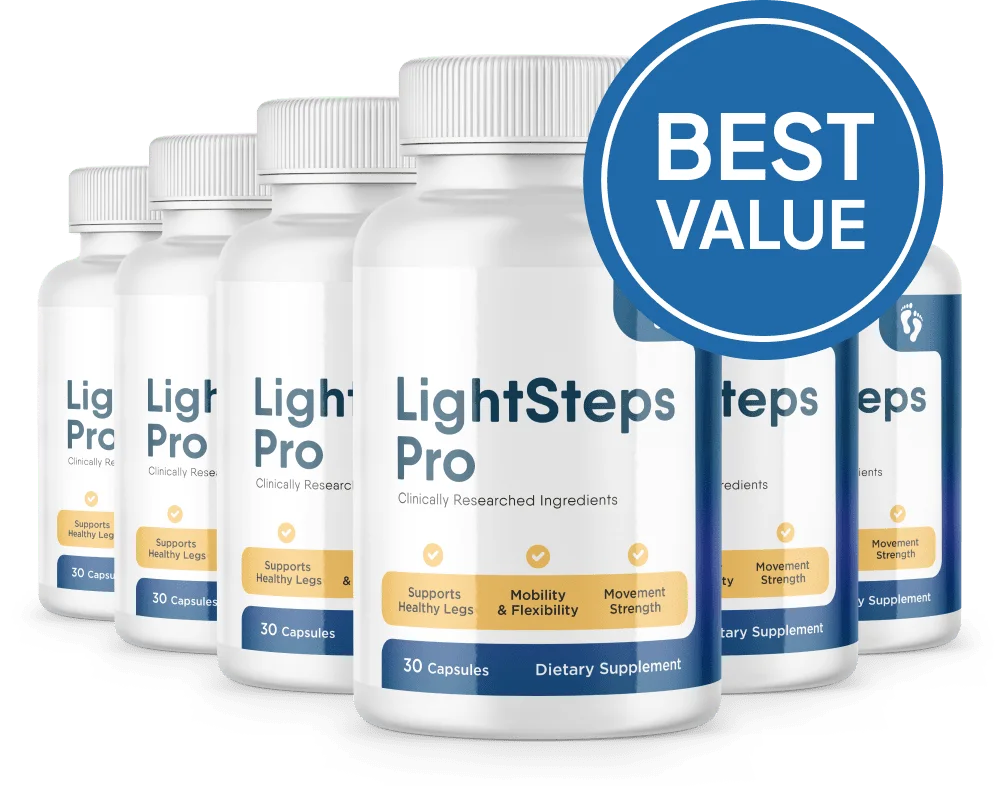
The LightSteps Pro Research Team is an independent group of nutrition and mobility writers who translate ingredient science into plain language. We consult peer-reviewed research and the documented traditional-use record for each botanical, and we make no disease or treatment claims. This article is educational and describes the general and traditional use of the ingredients discussed — it is not medical advice.
† These statements have not been evaluated by the FDA. This product is not intended to diagnose, treat, cure or prevent any disease. This article is for general information only and is not medical advice.