
| What it is | Bromelain is a group of protein-digesting enzymes concentrated in the stem and fruit of pineapple (Ananas comosus). |
| What it does for joints | Traditionally used to support the body’s healthy comfort response and normal recovery after everyday exertion — not a painkiller. |
| How it works | As a proteolytic enzyme it interacts with proteins and signalling molecules involved in the body’s natural repair and clean-up processes. |
| Label tip | Look for activity units (GDU/FCC PU), not just milligrams — potency is what matters. |
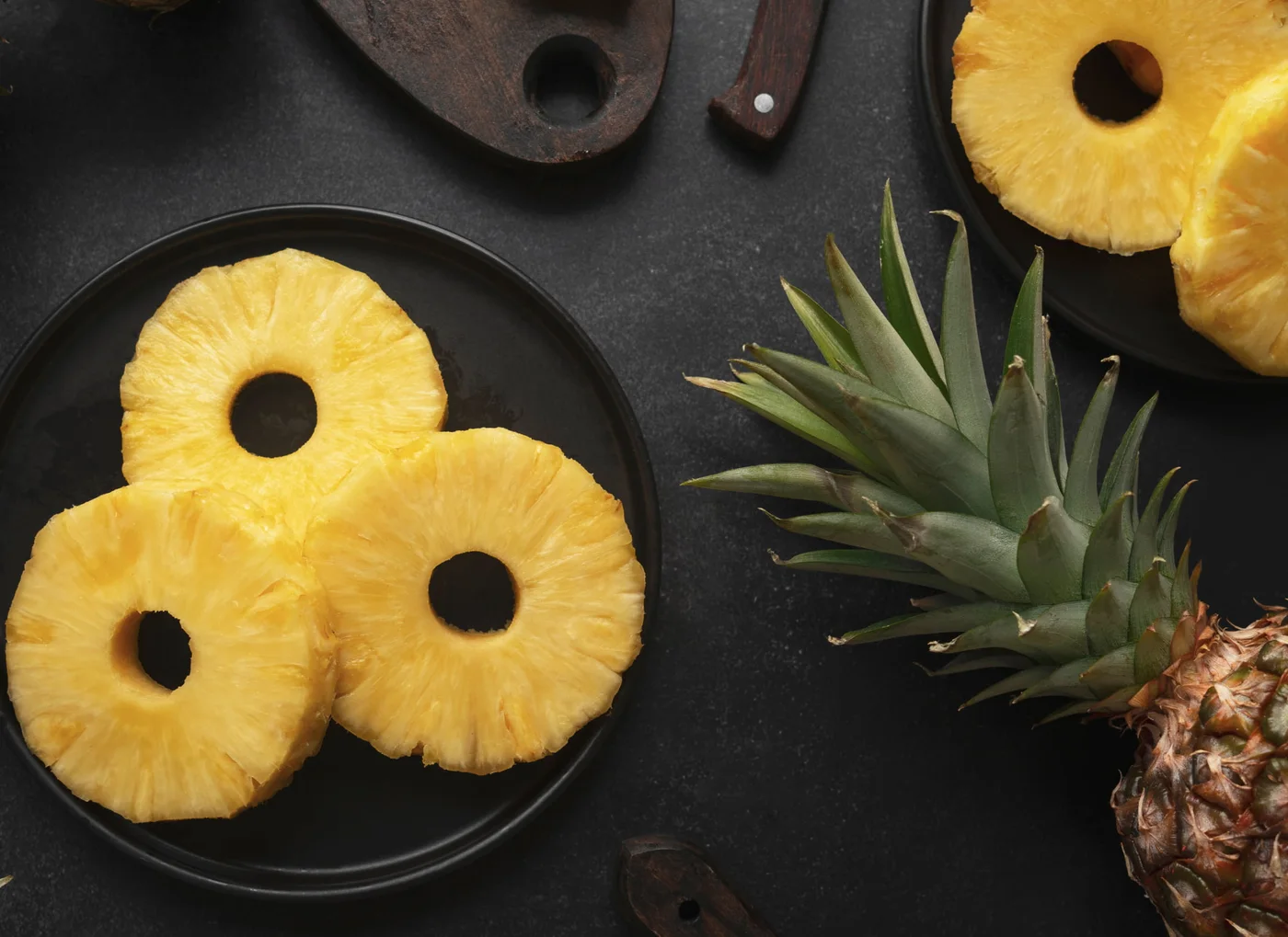
If you have ever browsed a joint-comfort supplement, you have almost certainly seen bromelain on the label — sometimes named directly, sometimes hiding behind “pineapple powder” or “Ananas comosus.” It is one of the most researched plant enzymes in the supplement world, yet most shoppers have only a vague sense of what it is for. So let’s answer the question plainly: what does bromelain do for joints, how does it actually work, and how do you tell a serious bromelain ingredient from a token pinch of it?
This guide is written in the ingredient-and-mechanism spirit of everything we publish: no hype, no disease claims — just how the active behaves in the body, the context in which it is traditionally used, and the label details that separate a meaningful dose from marketing.
Bromelain is not a single compound. It is a family of proteolytic (protein-digesting) enzymes found throughout the pineapple plant, with the highest concentrations in the stem and the fibrous core — the parts most of us throw away. Pineapple has been used in South and Central American folk traditions for centuries to tenderise meat and settle the stomach, and it is exactly this protein-splitting talent that makes bromelain interesting far beyond the kitchen.
Because it is an enzyme, bromelain is defined by its activity, not merely its weight. That distinction becomes important the moment you start reading labels, and we’ll return to it below. For now, the key idea is simple: bromelain is a naturally occurring pineapple enzyme with a long history of traditional use for digestion, comfort and everyday recovery.
Here is the honest, compliant version. Bromelain is traditionally used to support the body’s own healthy comfort response after everyday exertion — the ordinary stiffness that can follow a long walk, a day of standing, or a workout you felt the next morning. It is not a painkiller and it is not a treatment for any joint condition. Instead, its appeal is that it appears to work with the body’s natural processes rather than simply muting a sensation.
Enzymes like bromelain interact with proteins and signalling molecules that the body uses during its normal repair-and-recovery cycle. That is why bromelain shows up so often in formulas aimed at active adults who want to keep moving comfortably — people climbing stairs, walking the dog, gardening, or getting back to exercise. It sits in the “support recovery and comfort” category rather than the “numb the problem” category.
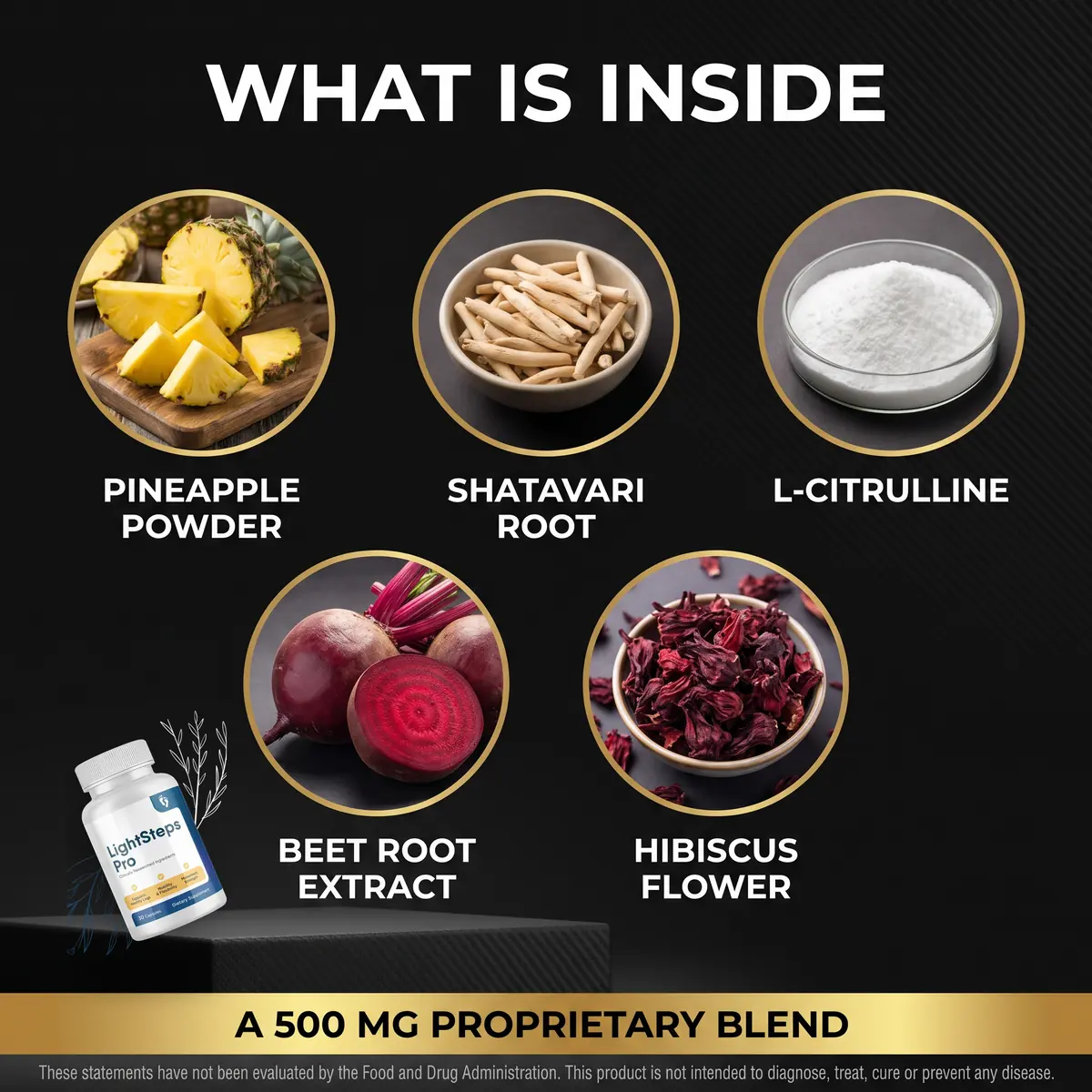
You will find bromelain paired with other comfort-and-circulation botanicals for exactly this reason. In LightSteps Pro, for example, pineapple powder sits alongside black cumin seed and hibiscus for comfort support and beet root and L-citrulline for circulation — a whole-system approach rather than a single ingredient asked to do everything.
Bromelain has a long and unusually broad research record for a fruit enzyme. A 2026 critical review in Frontiers in Nutrition surveys the potential health benefits of bromelain across the current literature, which is the fairest overview of both what has been studied and how uneven that evidence is.
Think of bromelain as a pair of very specific molecular scissors. Its job is to cut proteins at particular points. In the digestive tract, that means helping to break dietary protein into smaller, more absorbable pieces — the reason bromelain is also sold as a digestive aid. Taken away from food, a portion of the enzyme is thought to be absorbed intact, where it can interact with the protein-based signalling that governs the body’s natural clean-up and repair after activity.
This dual personality is why timing changes what bromelain does:
Neither approach is “wrong” — they simply serve different goals. If your interest is everyday joint and muscle comfort after activity, the between-meals window is the one most traditional protocols use.
This is the single most useful thing to understand about bromelain, and almost no marketing explains it. Because bromelain is an enzyme, its usefulness depends on how active it is — not just how much of it there is by weight. Two products can both say “500 mg bromelain” and deliver wildly different potency.
Enzyme activity is measured in standardised units, most commonly:
A quality bromelain will state a GDU figure (for instance, “2,400 GDU/g”). Traditional-use servings span a broad range — commonly from a few hundred milligrams up to around 2,000 mg per day — but the activity level is what tells you whether that weight means anything. If a label lists only milligrams with no activity units, you simply cannot judge its potency. That is a red flag worth remembering.
For a fuller walk-through of standardisation, activity units and proprietary blends, see our companion guide on how to read a joint supplement label.
LightSteps Pro brings pineapple-derived bromelain together with five more plant actives for comfort and circulation — one simple capsule a day, backed by a 60-day guarantee.
It has also been tested on the knee specifically. A study in Clinical Rheumatology reported an improved WOMAC score following 16 weeks of treatment with bromelain for knee osteoarthritis (Kasemsuk and colleagues, 2016) — a supplement dose of a concentrated enzyme, not a bowl of fruit.
A reasonable question: if bromelain comes from pineapple, why not just eat pineapple? You certainly can, and fresh pineapple is a lovely source of vitamin C and fibre. But there are three catches. First, the enzyme is concentrated in the stem and core — the parts most people discard. Second, bromelain is heat-sensitive, so canned or cooked pineapple has lost much of its activity. Third, the amount in fruit is highly variable, so you can never really know how much active enzyme you are getting.
A standardised pineapple powder or bromelain extract solves all three problems: it captures the enzyme-rich fraction, it is processed to preserve activity, and it is measured so every serving is consistent. That is the trade-off — fruit for enjoyment, a standardised extract for a reliable daily amount.
No single ingredient carries a mobility routine on its own, and bromelain is no exception. It shines as part of a broader approach that pairs comfort support with healthy circulation and, above all, consistent movement. Circulation matters because working leg muscles and joints need a steady supply of oxygen and nutrients — which is why nitrate-rich ingredients are such common partners for bromelain. You can read how that side of the equation works in our guides to beetroot nitrates for circulation and the L-citrulline vs L-arginine nitric-oxide question.
On the comfort side, bromelain is frequently combined with black cumin seed (thymoquinone), another botanical traditionally used to support a balanced comfort response. And for the daily habits that do the heavy lifting — movement, nutrition and rest — our overview of how to support healthy legs and joint mobility naturally ties everything together.
An earlier open study in Phytomedicine found that bromelain reduced mild acute knee pain and improved well-being in a dose-dependent fashion in otherwise healthy adults (Walker and colleagues, 2002). Note the design: open-label, in healthy adults, which is suggestive rather than conclusive.
Bromelain is generally well tolerated, but “natural” never means “consequence-free.” Because it is an active enzyme, it can interact with certain medications. Talk to a healthcare professional before using bromelain if you:
Mild digestive upset is the most commonly reported side effect at higher amounts. As always, start low, follow the label, and let your own clinician weigh in on your personal situation.
Bromelain is a pineapple-derived enzyme with a genuine, centuries-old track record of traditional use for digestion, comfort and recovery. For joints specifically, its role is to support the body’s own healthy comfort response after everyday activity — a helper for staying comfortably mobile, not a treatment for pain. When you shop, look past the milligrams to the activity units, favour standardised pineapple extracts over vague “pineapple” listings, and remember that bromelain performs best as one instrument in a wider mobility routine of movement, circulation support and comfort botanicals.
Bromelain is a group of enzymes from pineapple that is traditionally used to support the body’s healthy, comfortable response to everyday activity and to aid protein digestion. In supplements it is valued for supporting normal recovery after exertion rather than acting as a painkiller.
Bromelain is measured in activity units (GDU or FCC PU) as well as milligrams, so potency matters more than weight alone. Traditional-use servings commonly fall in the 200 to 2,000 mg per day range, often standardized to a stated GDU level. Always follow the label and speak with a clinician if you take medication.
It depends on the goal. Taken with meals, bromelain mainly supports protein digestion; taken between meals on an empty stomach, more of the enzyme is thought to be absorbed systemically, which is the context in which it is used for comfort and recovery support.
Fresh pineapple contains bromelain, mostly in the stem and core, but the amount and activity vary widely and much is lost in canning or heating. A standardized pineapple powder or bromelain extract provides a more consistent, measurable amount than fruit alone.
People taking blood thinners or antibiotics, anyone with a pineapple or latex allergy, and those who are pregnant, nursing or preparing for surgery should talk to a healthcare professional before using bromelain, because it can interact with certain medications.
Give your legs and joints six plant actives in one daily capsule — pineapple bromelain, black cumin, hibiscus, beet root, shatavari and L-citrulline. Best value on the multi-bottle packs.
Get LightSteps Pro Today
The LightSteps Pro Research Team is an independent group of nutrition and mobility writers who translate ingredient science into plain language for everyday readers. We review the published literature and traditional-use record for each botanical we cover, and we do not make disease or treatment claims. This article is educational and reflects general and traditional use of the ingredients discussed — it is not medical advice.
† These statements have not been evaluated by the FDA. This product is not intended to diagnose, treat, cure or prevent any disease. This article is for general information only and is not medical advice.