
| What it is | Vitamin D is an essential fat-soluble nutrient the skin makes from sunlight — the “sunshine vitamin.” |
| What it does | Traditionally used to support healthy bones, muscle function and the body’s normal comfort and immune balance — not a painkiller. |
| How it works | It acts like a hormone, helping the body absorb calcium and supporting muscle and immune function. |
| Label tip | Choose D3, read the amount as both IU and mcg, and consider a D3 + K2 pairing. |
Ask about joint comfort and someone will almost always mention vitamin D — usually followed by "aren't we all deficient anyway?" It is one of the most talked-about nutrients in the mobility conversation, and also one of the most misunderstood. So it is worth asking the question head-on: does vitamin D help joint pain, how does the sunshine vitamin actually work, and what should you look for on a label?
This guide answers those questions in the ingredient-and-mechanism spirit of everything we publish — no hype, no disease claims, just how the nutrient behaves in the body, why it matters for the whole musculoskeletal system, and the label details that separate a sensible choice from a guess.
Vitamin D is an essential, fat-soluble nutrient, but the "vitamin" label undersells it. In the body it behaves more like a hormone: it is activated in two steps (in the liver and then the kidneys) and then goes on to influence a remarkably wide range of tissues, from bone to muscle to the immune system.
Its nickname — the sunshine vitamin — captures its most unusual feature: your skin manufactures it when exposed to sunlight. That is also why so many people run low. Indoor lifestyles, higher latitudes, darker skin, older age and consistent (sensible) sunscreen use all reduce how much the skin makes. Only a handful of foods — fatty fish, egg yolks, fortified milk — supply meaningful amounts, which is why supplements are so widely used.
Here is the honest, compliant version. Vitamin D is traditionally used to support healthy bones, normal muscle function and the body's normal comfort and immune balance. Because your joints are supported by the bones and muscles around them, keeping vitamin D in a healthy range contributes to overall musculoskeletal wellness — the strong, stable foundation that comfortable movement depends on. It is a supportive nutrient, not a painkiller, and it does not treat, cure or prevent any joint condition.
The most useful, honest framing is this: vitamin D is less a "joint ingredient" and more a foundational nutrient that the entire musculoskeletal system relies on. Being adequately supplied simply lets the rest of your routine — movement, nutrition and any supportive ingredients — work on a solid footing. And unlike most botanicals, vitamin D is something you can actually measure with a blood test, which makes it one of the few "do I even need this?" questions with a clear answer.
The honest answer starts with what the observational evidence shows. A systematic review in Nutrients examined the relationship between serum vitamin D levels and chronic musculoskeletal pain in adults (Alonso-Pérez and colleagues, 2024) — an association between low status and more reported pain, which is not the same as showing that supplements relieve it.
Vitamin D's headline job is to help your body absorb calcium and phosphorus from food. Without enough vitamin D, you can eat plenty of calcium and still absorb only a fraction of it. Since calcium is the mineral your skeleton is built from, adequate vitamin D is fundamental to keeping bones strong — and strong bones are the frame that your joints hang on.
Vitamin D receptors sit on muscle cells too, which is why the nutrient is tied to normal muscle function — and strong, responsive muscles are what stabilise a joint through every step and stair. Vitamin D is also studied for its role in supporting the body's balanced immune and comfort response, the same "help the body keep its own balance" theme we explore with antioxidant botanicals like hibiscus and black cumin seed. Rather than blocking a sensation the way a drug does, vitamin D supports the underlying systems that keep you comfortably mobile.
You will meet two forms on the shelf. D2 (ergocalciferol) comes from plant and fungal sources; D3 (cholecalciferol) is the form your skin makes from sunlight and is found in animal sources and in lichen-based vegan supplements. Research generally finds D3 more effective at raising and maintaining your blood level, which is why most quality supplements use it. If you follow a vegan diet, look specifically for lichen-derived D3.
For intake numbers, units and upper limits, the NIH Office of Dietary Supplements vitamin D fact sheet is the reference to use rather than any supplement label, and it is where the IU-to-microgram conversions below come from.
Vitamin D labels can confuse because they use two units for the same thing. Here is the picture:
This "read the real number and the real unit" habit is exactly the label-literacy we teach throughout the site — see our full guide on how to read a joint supplement label for %DV, units and blends.
A popular pairing is D3 with vitamin K2. The logic is simple: vitamin D helps you absorb calcium, and vitamin K2 helps direct that calcium toward bone. Together they are marketed as a "calcium traffic control" duo. One caution: if you take blood-thinning medication, vitamin K can interact with it, so check with your clinician before adding K2.
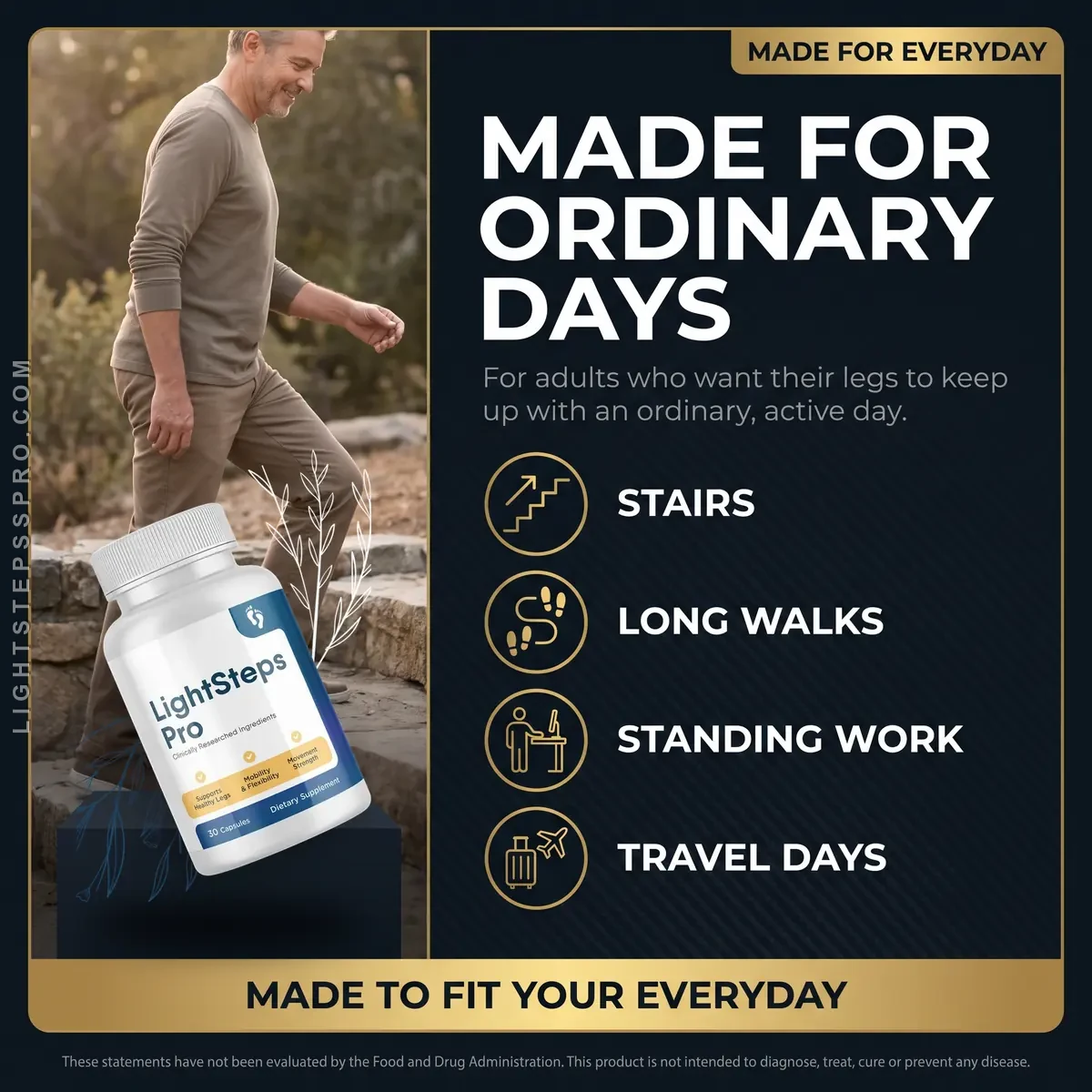
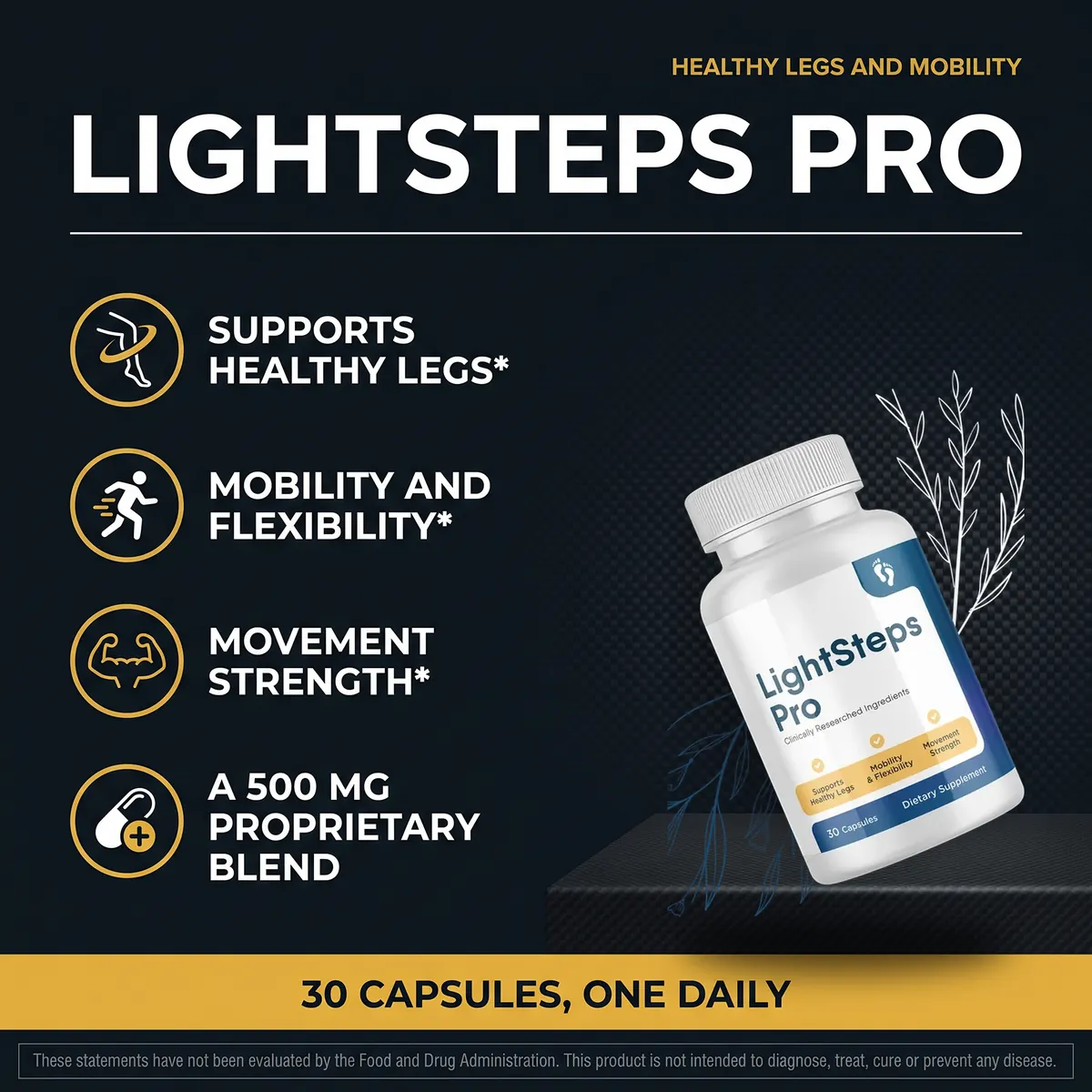
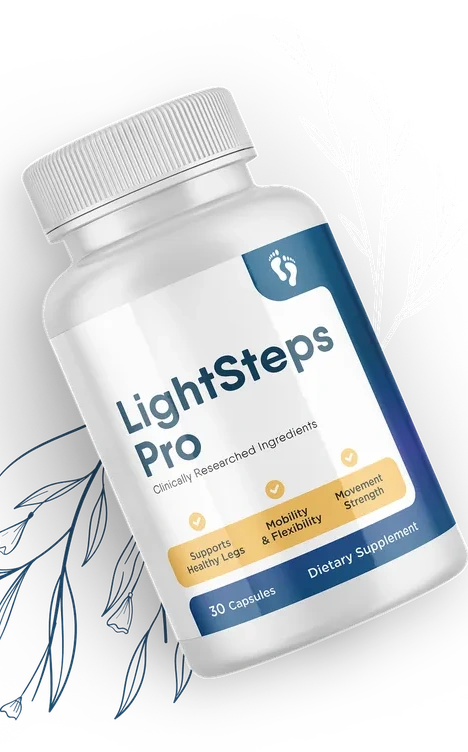
Building a mobility routine on a solid foundation? LightSteps Pro adds a whole-system botanical layer with six plant actives — pineapple bromelain, black cumin, hibiscus, beet root, shatavari and L-citrulline — in one daily capsule, backed by a 60-day guarantee.
Vitamin D is fat-soluble, which is why it is so often discussed next to the other fat-soluble joint staple; our guide to omega-3 fish oil for joints explains why both are usually taken with a meal containing some fat.
No single ingredient carries a mobility routine, and vitamin D is no exception — though it may be the most foundational of them all. It plays the bone-and-muscle foundation role, and it does its best work alongside the other pillars of comfortable movement: comfort-support botanicals, circulation support and, above all, consistent movement and weight-bearing exercise, which is itself a signal for strong bones. Circulation is supported by nitrate-rich ingredients such as beet root, while the everyday habits that do the heavy lifting are gathered in our guide to supporting healthy legs and joint mobility naturally. Vitamin D lays the foundation, and a formula like LightSteps Pro adds a complementary comfort-and-circulation layer of plant actives on top of it.
The muscle side of the story is where vitamin D is least controversial. A 2026 prospective observational cohort study in Nutrients followed 12-month changes in muscle function and physical performance in older adults with vitamin D deficiency who supplemented, which is closer to the “legs that keep up” question than any pain end point.
Vitamin D is essential, but because it is fat-soluble and stored in the body, more is not automatically better. Talk to a healthcare professional before taking higher-dose vitamin D if you:
The best move with vitamin D is simply to get your level tested and let your clinician recommend an amount. That single step removes almost all the guesswork this nutrient is famous for.
Vitamin D is not a joint painkiller and it does not treat or cure any condition — but it is arguably the most important foundational nutrient for the whole musculoskeletal system your joints depend on. By helping the body absorb calcium for strong bones, supporting normal muscle function and contributing to the body's balanced comfort and immune response, adequate vitamin D gives everything else in your routine a solid footing. Choose D3, read the amount in both IU and mcg, consider pairing it with K2, take it with food — and, uniquely among the ingredients we cover, get your level tested so your dose is based on data. Then remember that vitamin D, like any single nutrient, delivers most as one part of a wider routine of strong bones, comfort support, circulation and consistent movement.
Vitamin D is an essential nutrient traditionally used to support healthy bones, muscle function and the body’s normal comfort and immune balance. Because bones and muscles support joints, adequate vitamin D contributes to overall musculoskeletal wellness. It is a supportive nutrient, not a painkiller, and it does not treat or cure any joint condition; ask a clinician about testing your own level.
Vitamin D acts more like a hormone than a simple vitamin. Its main job is to help the body absorb calcium and phosphorus for healthy bones, and it also supports normal muscle function and immune balance. The skin makes vitamin D from sunlight, and it can also come from a few foods and from supplements.
D2 (ergocalciferol) comes from plant and fungal sources, while D3 (cholecalciferol) is the form the skin makes from sunlight and is found in animal sources and lichen-based vegan supplements. D3 is generally considered more effective at raising and maintaining vitamin D levels, which is why most supplements use it.
Common maintenance amounts fall around 600 to 2,000 IU (15 to 50 mcg) per day for adults, but the right amount depends on your blood level, sun exposure and health. Because vitamin D is fat-soluble and can build up, it is best to base higher doses on a blood test and a clinician’s advice rather than guessing.
Vitamin D helps the body absorb calcium, and vitamin K2 helps direct that calcium toward bone. Pairing D3 with K2 is a popular way to support the healthy use of calcium. If you take blood thinners, talk to your clinician before adding vitamin K2.
Give your legs and joints six plant actives in one daily capsule — pineapple bromelain, black cumin, hibiscus, beet root, shatavari and L-citrulline. Best value on the multi-bottle packs.
Get LightSteps Pro Today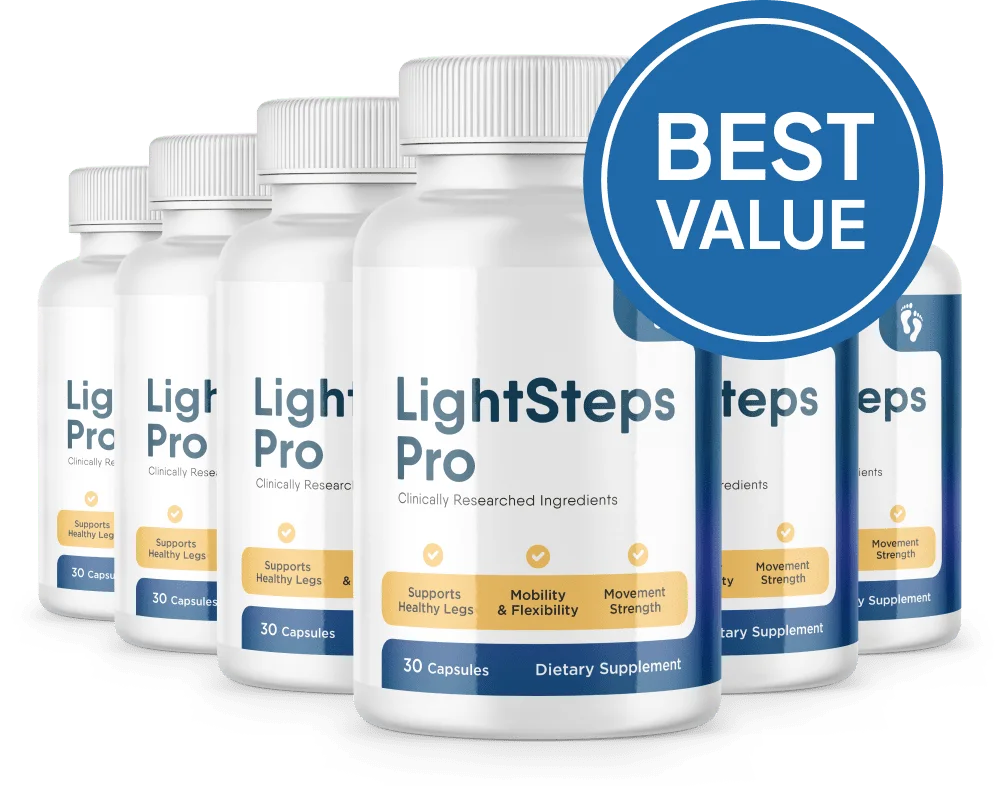
The LightSteps Pro Research Team is an independent group of nutrition and mobility writers who translate ingredient science into plain language for everyday readers. We review the published literature and traditional-use record for each nutrient we cover, and we do not make disease or treatment claims. This article is educational and reflects general and traditional use of the nutrients discussed — it is not medical advice.
† These statements have not been evaluated by the FDA. This product is not intended to diagnose, treat, cure or prevent any disease. This article is for general information only and is not medical advice.