
| What it is | Hibiscus is the vivid red flower of Hibiscus sabdariffa, used for centuries as a tart, ruby-coloured tea. |
| What it does | Traditionally used to help defend active tissues against everyday oxidative stress and to support healthy circulation — not a painkiller. |
| How it works | It is rich in anthocyanins and other polyphenol antioxidants that help the body neutralise free radicals and maintain healthy blood vessels. |
| Label tip | Look for an extract standardized to anthocyanins (for example 3%), not just “hibiscus powder.” |
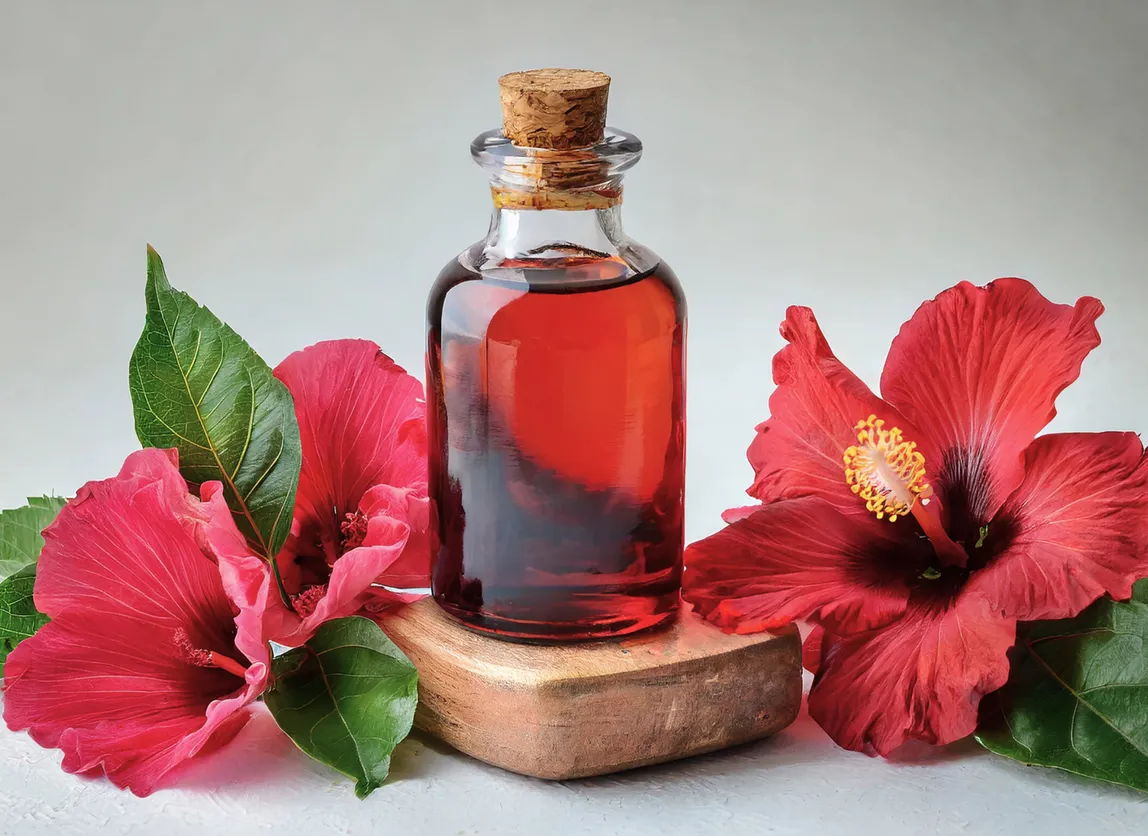
Hibiscus is one of those ingredients most people have tasted without ever thinking of it as a supplement. That deep-red, cranberry-tart iced tea sold across West Africa, the Caribbean and the Middle East? That is hibiscus — specifically the dried calyces of Hibiscus sabdariffa. In recent years the same flower has moved from the teapot to the joint-and-mobility aisle, and shoppers are right to ask the obvious question: what does hibiscus actually do for joints and circulation, how does it work, and how much of it do you really need?
This guide answers those questions in plain language, in the same ingredient-and-mechanism spirit as everything we publish — no hype, no disease claims, just how the active behaves in the body and the label details that separate a meaningful dose from decorative marketing.
Botanically, hibiscus is a large family of flowering plants, but the one that matters for supplements is Hibiscus sabdariffa, also called roselle. The part used is not the showy petal you might picture, but the calyx — the fleshy, ruby-coloured cup at the base of the flower that swells after the bloom fades. Dried, these calyces are what give hibiscus tea its colour and its bracingly tart flavour.
That vivid red colour is the first clue to why hibiscus is interesting. In the plant world, deep red and purple pigments almost always signal a class of antioxidants called anthocyanins — the same family that gives blueberries, blackcurrants and red cabbage their hue. Hibiscus is unusually rich in them, along with organic acids and a broader spread of polyphenols. It is this antioxidant profile, not any single miracle molecule, that puts hibiscus in a modern mobility formula.
Here is the honest, compliant version. Hibiscus is traditionally used to help defend active tissues against everyday oxidative stress and to support healthy circulation. It is not a painkiller, and it does not treat, cure or prevent any joint condition. Its role is supportive and preventive-minded: helping the body cope with the ordinary wear-and-tear chemistry of an active life.
Why would an antioxidant flower show up in a formula aimed at legs and joints? Because joints do not exist in isolation. Every working joint, tendon and leg muscle depends on a steady supply of oxygen and nutrients delivered by the blood, and on the body’s ability to clean up the by-products of exertion. Hibiscus is thought to help on both fronts — its polyphenols support the body’s natural antioxidant defences, and it is traditionally associated with healthy blood-vessel function and circulation. That is why you so often see it sitting next to circulation ingredients rather than standing alone.
In LightSteps Pro, for instance, hibiscus flower is standardized to 3% anthocyanins and paired with beet root and L-citrulline for circulation, plus pineapple bromelain and black cumin for comfort — a whole-system approach rather than one flower asked to carry the routine.
The circulation side of hibiscus is the best documented. A systematic review and meta-analysis of randomised controlled trials in the Journal of Hypertension examined the effect of sour tea (Hibiscus sabdariffa L.) on arterial hypertension (Serban and colleagues, 2015) — a blood-pressure end point, which is a circulation signal rather than a joint one.
To understand hibiscus, you only need two ideas: antioxidant defence and vascular support.
Every time your muscles and joints work — a walk, a flight of stairs, a gardening afternoon — they generate reactive by-products called free radicals. In small amounts these are normal and even useful, but the body relies on a constant supply of antioxidants to keep them in balance. Anthocyanins act as sacrificial molecules: they neutralise free radicals so your own tissues do not have to bear the brunt. By topping up the antioxidant pool, hibiscus is traditionally used to help active tissues stay resilient against everyday oxidative stress.
Polyphenols like those in hibiscus are also studied for their relationship with the endothelium — the thin, living lining of your blood vessels that governs how easily they relax and how freely blood flows. Healthy circulation is the quiet foundation of comfortable movement: it is what carries oxygen to a working calf muscle and clears the by-products of exertion afterwards. Hibiscus is traditionally valued as a gentle, food-derived way to support that healthy flow, which is exactly why it partners so naturally with dietary nitrates.
If the circulation side of the story interests you, our companion guides go deeper: read how beetroot nitrates support circulation and leg blood flow, and how the amino acid question plays out in L-citrulline vs L-arginine for nitric oxide. Hibiscus, beet root and citrulline are best understood as a team.
This is where most hibiscus marketing goes quiet, and where a smart shopper pays attention. Because the value of hibiscus lives in its anthocyanins, what matters is how much of that active fraction you actually get — not simply how many milligrams of “hibiscus” are listed.
The forms you will encounter differ enormously in potency:
A well-formulated supplement will name the extract and its standardization, for example “Hibiscus flower extract, std. 3% anthocyanins.” If a label lists only “hibiscus 500 mg” with no standardization, you cannot judge its potency — and that is worth noting. For a full walk-through of standardization percentages, proprietary blends and activity units, see our companion guide on how to read a joint supplement label.
LightSteps Pro brings standardized hibiscus together with five more plant actives for comfort and circulation — one simple capsule a day, backed by a 60-day guarantee.
The calyx has been reviewed for its antioxidant behaviour too. A systematic and meta-analytic review in Inflammopharmacology assessed the memory-enhancing, anti-neuroinflammatory and antioxidative activities of Hibiscus sabdariffa (Roselle) calyx, which is where the anthocyanin story below comes from.
A fair question: if hibiscus is a tea, why not just drink it? You certainly can, and a daily cup is a genuinely pleasant, low-sugar, hydrating habit. But there are three catches for anyone who wants a reliable daily amount of the active fraction. First, the anthocyanin content of tea varies wildly with the quality of the calyx, the brewing time and the water temperature. Second, anthocyanins are sensitive to heat and light, so a long-steeped or long-stored brew may have lost potency. Third, you have no way of measuring how much active you actually drank.
A standardized extract in a capsule solves all three: it captures the anthocyanin-rich fraction, it is processed and packaged to protect it, and it is measured so every serving is consistent. The sensible takeaway is not “tea or capsule” but “tea for enjoyment, a standardized extract for a dependable daily dose.”
Hibiscus is rarely used alone; in the blend it sits beside an Ayurvedic recovery root, and our guide to the shatavari root benefits claimed for joints and recovery explains what that partner ingredient is doing.
No single ingredient carries a mobility routine, and hibiscus is no exception. It shines as one voice in a chorus that pairs antioxidant defence with healthy circulation and, above all, consistent movement. On the circulation side it teams naturally with nitrate-rich beet root and the amino acid L-citrulline; on the comfort side it complements enzymes and botanicals like pineapple bromelain and black cumin seed. And the daily habits still do the heavy lifting — our overview of how to support healthy legs and joint mobility naturally ties movement, nutrition and researched botanicals together.
An evidence-based review in Foods weighed whether Hibiscus sabdariffa actually works in diabetes prevention and treatment (Jamrozik and colleagues, 2022). It is a different question, but it is a good model of how cautiously the hibiscus literature should be read, and it flags the interactions worth raising with a clinician.
Hibiscus has a long and reassuring history of daily use as a beverage, and it is generally well tolerated. But “natural” never means “consequence-free,” and a concentrated extract behaves differently from a weak tea. Talk to a healthcare professional before adding a daily hibiscus extract if you:
As always, start with the amount on the label, give any new ingredient time, and let your own clinician weigh in on your personal situation and medications.
Hibiscus is far more than a pretty, tart tea. As Hibiscus sabdariffa, it delivers a concentrated dose of anthocyanin antioxidants that are traditionally used to help defend active tissues against everyday oxidative stress and to support the healthy circulation that comfortable movement depends on. It is not a painkiller and not a cure — it is a supportive, food-derived helper that works best alongside circulation partners and consistent movement. When you shop, look past the milligrams to the anthocyanin standardization, favour a named extract over vague “hibiscus powder,” and remember that this ruby flower does its best work as one instrument in a wider mobility routine.
Hibiscus (Hibiscus sabdariffa) is a flower rich in anthocyanin antioxidants and other polyphenols. In supplements it is traditionally used to help defend active tissues against everyday oxidative stress and to support healthy circulation, which matters because working joints and leg muscles depend on a steady blood supply. It is not a painkiller or a treatment for any condition.
The best-known actives in hibiscus are anthocyanins — the deep-red pigment antioxidants — along with organic acids and other polyphenols. Quality hibiscus extracts are often standardized to a stated anthocyanin percentage, such as 3%, so you know how much of the active fraction each serving delivers.
Traditional-use amounts vary with the form. Hibiscus tea is often brewed from one to two grams of dried calyx, while concentrated standardized extracts used in capsules are far smaller because they are more potent. Always follow the label and, if you take blood-pressure medication, speak with a clinician first.
Hibiscus is traditionally paired with circulation-support ingredients because its polyphenols are thought to help the body maintain healthy blood vessels and normal flow. It is most useful as part of a wider routine that also includes nitrate-rich ingredients like beet root and consistent movement, rather than on its own.
Hibiscus has a long history of daily use as a tea and is generally well tolerated. Because it may gently influence blood pressure, people on antihypertensive medication, those who are pregnant or nursing, and anyone scheduled for surgery should talk to a healthcare professional before using a concentrated extract every day.
Give your legs and joints six plant actives in one daily capsule — hibiscus, pineapple bromelain, black cumin, beet root, shatavari and L-citrulline. Best value on the multi-bottle packs.
Get LightSteps Pro Today
The LightSteps Pro Research Team is an independent group of nutrition and mobility writers who translate ingredient science into plain language for everyday readers. We review the published literature and traditional-use record for each botanical we cover, and we do not make disease or treatment claims. This article is educational and reflects general and traditional use of the ingredients discussed — it is not medical advice.
† These statements have not been evaluated by the FDA. This product is not intended to diagnose, treat, cure or prevent any disease. This article is for general information only and is not medical advice.