
| What it is | Shatavari is the root of Asparagus racemosus, one of Ayurveda’s most revered rasayana (rejuvenating) tonics. |
| What it does | Traditionally used to support resilience, healthy tissue and normal recovery as you stay active — not a painkiller. |
| How it works | It is an adaptogen rich in steroidal saponins called shatavarins that help the body maintain balance under everyday stress. |
| Label tip | Look for an extract standardized to saponins, and note the root-to-extract ratio — not just “shatavari powder.” |
If bromelain is the pineapple enzyme everyone recognises, shatavari is the quiet Ayurvedic classic that most Western shoppers are meeting for the first time. Yet in traditional Indian medicine it is anything but obscure — its name is often translated as “she who possesses a hundred roots,” and it has been used for well over two thousand years. So when it turns up in a modern legs-and-joints formula, the natural question is: what are the real benefits of shatavari root for joints and recovery, how does it actually work, and how do you tell a serious extract from a token pinch?
This guide answers those questions plainly, in the ingredient-and-mechanism spirit of everything we publish — no hype, no disease claims, just how the active behaves in the body, the tradition it comes from, and the label details that separate a meaningful dose from marketing.
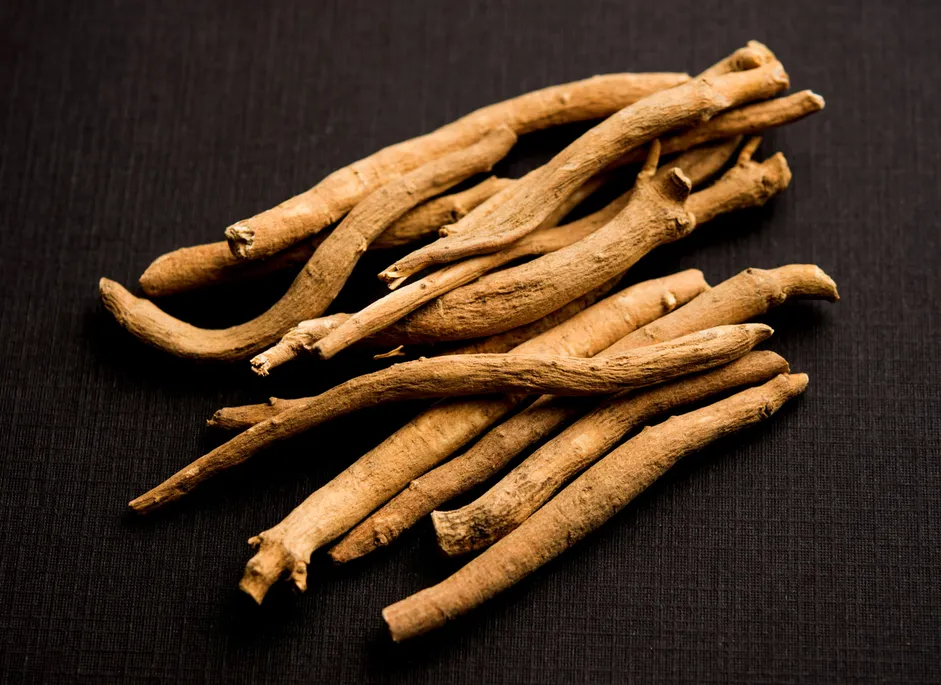
Shatavari is the dried root of Asparagus racemosus, a climbing plant in the asparagus family native to India, Nepal and Sri Lanka. The plant sends out a cluster of long, tuberous roots — the “hundred roots” of its name — and it is these that are harvested, dried and either powdered or extracted.
In Ayurveda, shatavari is classified as a rasayana: a rejuvenating tonic used to support vitality, tissue health and graceful ageing. It is also considered an adaptogen in the modern sense — a plant traditionally used to help the body adapt to and cope with everyday physical and mental stress. That adaptogenic, restorative character is exactly why it has migrated into recovery- and resilience-focused supplements.
Here is the honest, compliant version. Shatavari is traditionally used to support resilience, healthy tissue and the body’s normal recovery as you stay active. It is not a painkiller, and it does not treat, cure or prevent any joint condition. Its appeal is restorative rather than analgesic: instead of muting a sensation, it is used to help the body cope with and bounce back from the ordinary demands of an active life.
Why would a rejuvenating tonic sit in a mobility formula? Because comfortable movement is not only about the joint itself — it is about how well the whole system recovers between efforts. Muscles, connective tissue and joints all go through a daily cycle of exertion and repair, and traditional-use botanicals like shatavari are valued for supporting that recovery side of the equation. For an active adult who wants to keep walking, gardening and exercising without feeling wiped out the next day, that resilience angle is the draw.
In LightSteps Pro, shatavari root sits alongside pineapple bromelain and black cumin for comfort, and beet root, hibiscus and L-citrulline for circulation — a whole-system approach in which shatavari plays the “recovery and resilience” role rather than being asked to do everything.
The chemistry behind those claims has been catalogued recently. A 2025 review in the Journal of the American Nutrition Association gives an updated insight on the chemistry, ethnobotany and health benefits of Asparagus racemosus, with special emphasis on shatavarin IV — shatavarin IV being the marker compound the better extracts are standardized to.
Shatavari’s traditional effects are attributed mainly to two features: its saponin content and its adaptogenic character.
The signature actives in shatavari are a group of steroidal saponins called shatavarins, alongside other saponins, flavonoids and polysaccharides. Saponins are natural plant compounds studied for a range of supportive roles, including antioxidant activity that helps the body manage the oxidative by-products of exertion. When you see a quality shatavari extract standardized to a saponin percentage, it is these compounds it is measuring.
The second half of the story is shatavari’s adaptogenic reputation. Adaptogens are traditionally used to help the body maintain balance — to blunt the peaks and troughs of everyday stress rather than to stimulate or sedate. In a recovery context, that translates to helping the body do what it already wants to do: rest, repair and return to baseline after activity. This is a supportive, whole-system idea, not a targeted drug action, and it is why shatavari pairs so well with comfort and circulation ingredients rather than competing with them.

Recovery is only one pillar of comfortable movement. The comfort side is covered by botanicals such as black cumin seed and its thymoquinone, while circulation is supported by nitrate-rich ingredients — and the daily habits that matter most are pulled together in our guide to supporting healthy legs and joint mobility naturally.
As with any botanical, the useful question is not “how many milligrams?” but “how much of the active fraction, in what form?” Shatavari comes in a few distinct formats, and they are not interchangeable:
A well-formulated supplement will name the part used (root), the form (extract), and either a saponin standardization or an extract ratio. If a label lists only “shatavari 300 mg” with no further detail, you cannot judge its potency — a point worth remembering. For a full walk-through of standardization percentages, extract ratios and proprietary blends, see our companion guide on how to read a joint supplement label.
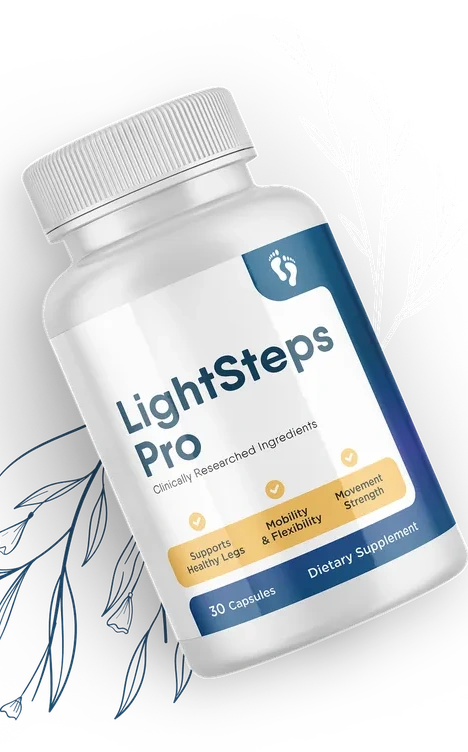
LightSteps Pro brings shatavari root together with five more plant actives for comfort and circulation — one simple capsule a day, backed by a 60-day guarantee.
The saponins are the part that distinguishes the root from the vegetable. A 2026 paper in Chemistry & Biodiversity reviews how Asparagus saponins modulate various pharmacological pathways, again with an emphasis on shatavarin-IV. That work is mechanistic and largely preclinical, which is exactly why the claims here stay in the language of traditional and supportive use.
Because Asparagus racemosus is a cousin of the culinary vegetable, people sometimes ask whether ordinary asparagus offers the same benefits. The short answer is no. Garden asparagus (Asparagus officinalis) is a delicious, nutritious spring vegetable, but it is a different species and it is the spears that are eaten, not the medicinal roots. The traditional shatavari benefits come specifically from the concentrated saponins in the dried root of A. racemosus — a fraction you simply will not get from a plate of grilled asparagus. Enjoy the vegetable for its own sake; use a standardized shatavari root extract when you want the traditional tonic.
No single ingredient carries a mobility routine, and shatavari is no exception. It shines as the recovery-and-resilience voice in a formula that also delivers comfort and circulation support, layered on top of consistent movement. On the comfort side it complements pineapple bromelain and black cumin; on the circulation side it partners with beet root nitrates and L-citrulline. Think of shatavari as the ingredient working quietly in the background to help the whole system bounce back, while the others handle the moment-to-moment work of comfort and blood flow.
For the older Ayurvedic and pharmacological record in one place, Goyal and colleagues’ update on Asparagus racemosus in the Indian Journal of Medical Sciences (2003) remains a compact starting point, including the traditional uses that have nothing to do with joints.
Shatavari has a long record of traditional use and is generally well tolerated, but “traditional” never means “risk-free for everyone.” Talk to a healthcare professional before using shatavari if you:
Mild digestive upset is the most commonly reported effect at higher amounts. As always, start with the amount on the label, give any new ingredient time, and let your own clinician weigh in on your personal situation.
Shatavari is a genuine Ayurvedic classic — a rasayana root with more than two millennia of traditional use for vitality and rejuvenation. For joints and mobility specifically, its role is to support resilience, healthy tissue and the body’s normal recovery as you stay active, thanks to its steroidal saponins and adaptogenic character. It is a background helper for bouncing back, not a painkiller and not a cure. When you shop, look past the milligrams to the saponin standardization or extract ratio, favour a named root extract over vague “shatavari powder,” and remember that this hundred-rooted tonic does its best work as one instrument in a wider routine of comfort, circulation and movement.
Shatavari (Asparagus racemosus) is a revered Ayurvedic root traditionally used as a rasayana, or rejuvenating tonic. In a mobility context it is valued for supporting resilience, healthy tissue and normal recovery as you stay active. It is an adaptogen-style botanical rather than a painkiller, and it does not treat any joint condition.
The signature actives in shatavari are steroidal saponins known as shatavarins, along with other saponins, flavonoids and polysaccharides. Quality shatavari extracts are often standardized to a stated saponin percentage so you know how much of the active fraction each serving provides.
Traditional Ayurvedic use of shatavari root powder spans a broad range, commonly from several hundred milligrams up to a few grams per day. Concentrated standardized extracts are used at smaller amounts because they are more potent. Always follow the label and speak with a clinician if you take medication.
Yes. Shatavari is classed as an adaptogen and as a rasayana in Ayurveda, meaning it is traditionally used to help the body maintain balance and cope with everyday stress. For active adults, that adaptogenic quality is why it appears in formulas focused on resilience and recovery rather than on masking discomfort.
Shatavari is in the asparagus family, so anyone with an asparagus allergy should avoid it. People who are pregnant or nursing, those on diuretics or blood-sugar or hormone-related medication, and anyone with a medical condition should talk to a healthcare professional before use, because it may interact with certain medicines.
Give your legs and joints six plant actives in one daily capsule — shatavari, pineapple bromelain, black cumin, hibiscus, beet root and L-citrulline. Best value on the multi-bottle packs.
Get LightSteps Pro Today
The LightSteps Pro Research Team is an independent group of nutrition and mobility writers who translate ingredient science into plain language for everyday readers. We review the published literature and traditional-use record for each botanical we cover, and we do not make disease or treatment claims. This article is educational and reflects general and traditional use of the ingredients discussed — it is not medical advice.
† These statements have not been evaluated by the FDA. This product is not intended to diagnose, treat, cure or prevent any disease. This article is for general information only and is not medical advice.