
| Turmeric | The whole golden root, Curcuma longa — a spice that is only about 2–5% curcuminoids by weight. |
| Curcumin | The star active inside turmeric, part of a family called curcuminoids. |
| Which for joints | For a measured, consistent dose of the active, a standardized curcumin extract beats plain turmeric — neither is a painkiller. |
| Label tip | Look for “standardized to 95% curcuminoids” plus an absorption aid (piperine, phytosome or liposomal). |
Few ingredients cause as much shopper confusion as this pair. Walk down any joint-and-mobility aisle and you will see bottles labelled “turmeric,” bottles labelled “curcumin,” and plenty that use both words on the same front panel. So which is which, and does the difference matter? The short version: turmeric is the root, curcumin is the active inside it — and understanding that single distinction changes how you read every label in the category. Let’s work through curcumin vs turmeric for joints: what each one is, how it works, why absorption is the whole ballgame, and how to tell a serious ingredient from a golden-coloured gimmick.
This guide is written in the ingredient-and-mechanism spirit of everything we publish — no hype, no disease claims, just how the active behaves in the body and the label details that separate a meaningful dose from marketing.
Turmeric is the whole rhizome (underground stem) of Curcuma longa, a ginger relative that gives curry its warm gold colour. It has been used in Indian and Southeast Asian cooking and Ayurvedic tradition for thousands of years. When you buy the spice, you are buying dried, ground turmeric root — a complex mix of starches, oils, fibre and hundreds of plant compounds.
Curcumin is just one of those compounds — the most studied member of a small family called curcuminoids. Here is the number that matters most: turmeric root is only about 2 to 5% curcuminoids by weight. In other words, a teaspoon of turmeric spice contains a relatively small amount of the active most people are actually after. A standardized curcumin extract, by contrast, is concentrated so that curcuminoids make up the great majority of the capsule — often standardized to 95%.
So the two words are not interchangeable. Turmeric is the food; curcumin is the concentrated active. Both have their place, but they answer different questions.
Curcuminoids are polyphenol antioxidants, and this is the root of their traditional appeal. Like the anthocyanins in hibiscus, curcuminoids are studied for their role in supporting the body’s own antioxidant defences and its balanced, healthy comfort response after everyday activity. That is the compliant, accurate way to describe it: curcumin is traditionally used to support the body’s normal comfort response, not to numb pain or treat a joint condition.
Its mechanism sits firmly in the “work with the body” camp rather than the “mute the signal” camp — the same category as botanicals like black cumin seed and enzymes like pineapple bromelain. That is why, in a well-designed formula, these comfort-support ingredients are combined rather than relied on one at a time.
Curcumin is now one of the most heavily reviewed botanicals in the joint category. A meta-analysis of meta-analyses in Phytotherapy Research pulled that body of work together, examining the efficacy of curcumin in relieving osteoarthritis (Bideshki and colleagues, 2024) — which is a useful reminder that the trials nearly always use a concentrated extract, not culinary turmeric.
Here is the single most important thing to understand about curcumin, and the reason so many cheap turmeric products underdeliver: plain curcumin is very poorly absorbed. On its own, it does not dissolve well in water, it is broken down rapidly by the liver and gut, and much of a dose leaves the body before it can do anything. You could swallow a large amount of ordinary curcumin and have very little of it actually reach your bloodstream.
This is why the smart part of a curcumin label is not the milligrams — it is the absorption strategy. There are three common approaches:
The practical lesson: a label boasting “1,000 mg turmeric” with no standardization and no absorption aid may deliver less usable curcumin than a smaller, smarter extract. Absorption, not raw weight, is the number that counts.
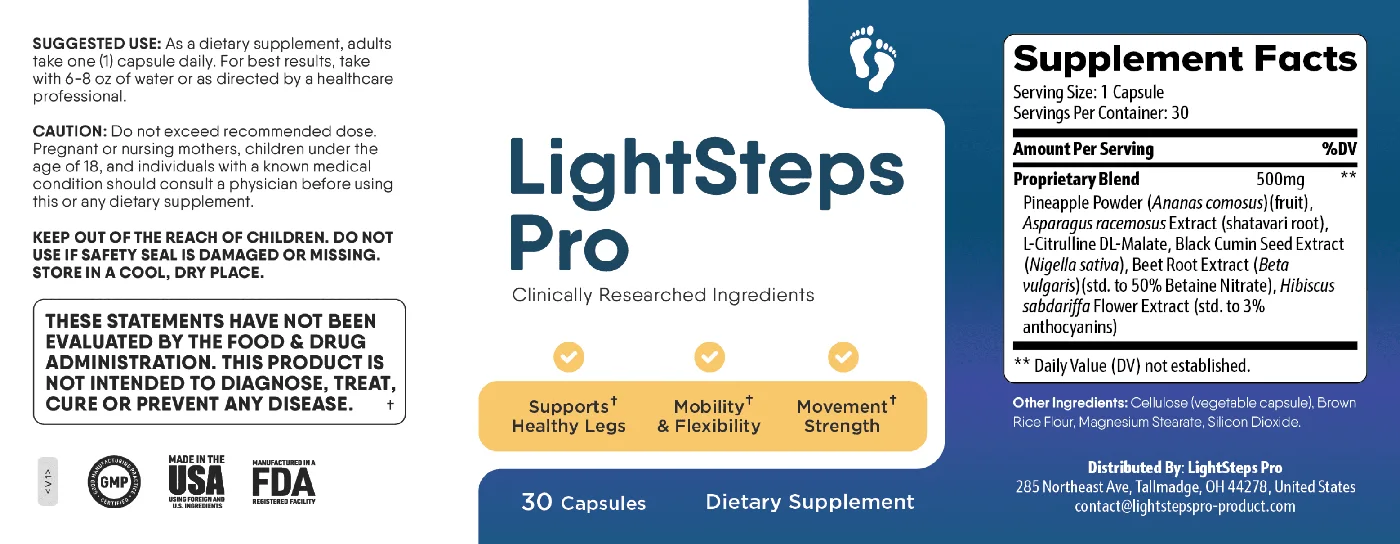
Reading past the front-of-bottle claim to the Supplement Facts panel is a skill worth having for every ingredient, not just curcumin. Our companion guide on how to read a joint supplement label walks through standardization percentages, activity units, proprietary blends and %DV in detail.
Because forms differ so much, there is no single “correct” dose — there is a dose for a given form. As a general orientation:
Always compare like with like: an enhanced-absorption 250 mg product can, in principle, out-deliver a 1,000 mg plain-curcumin product. The label tells you which is which, if you know where to look.
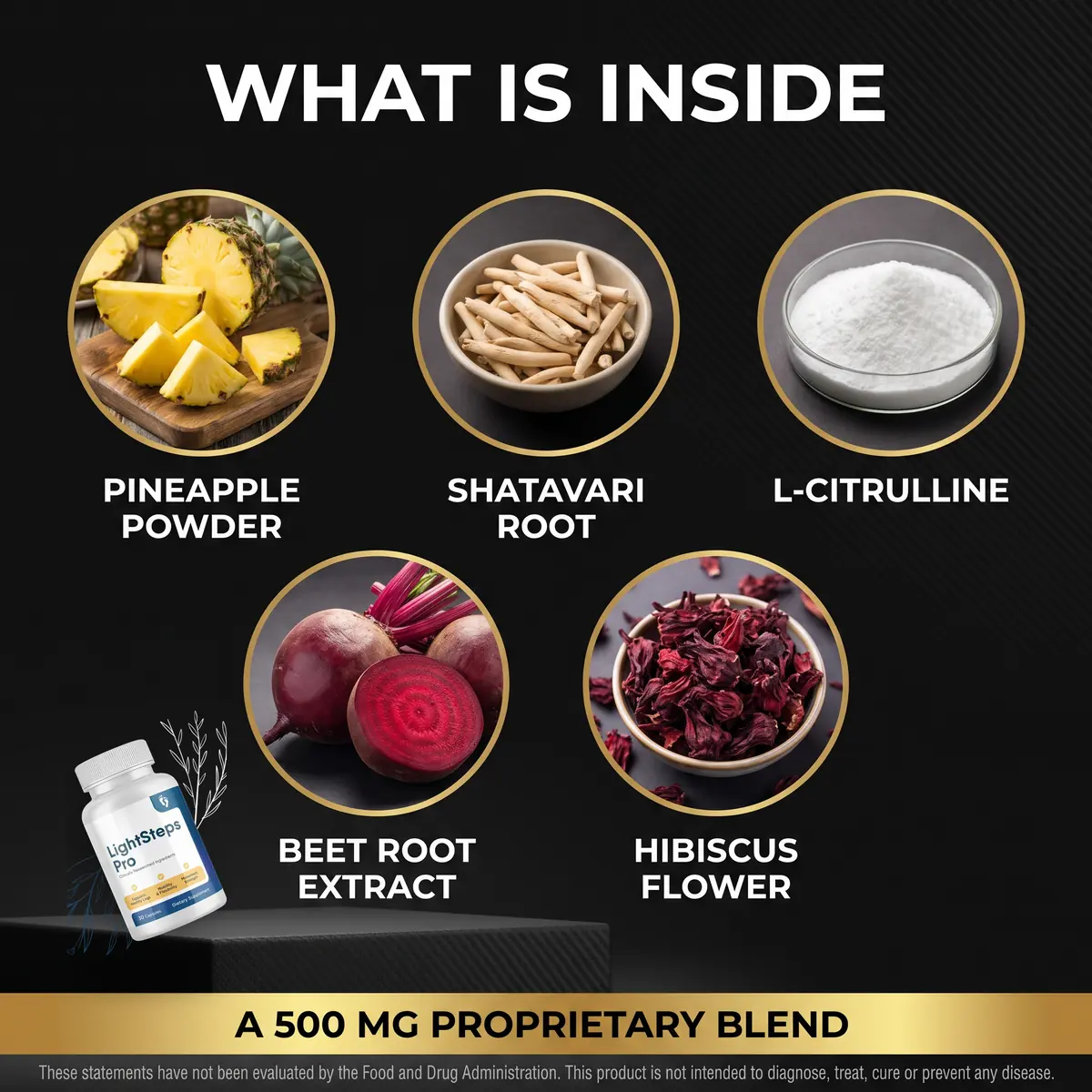
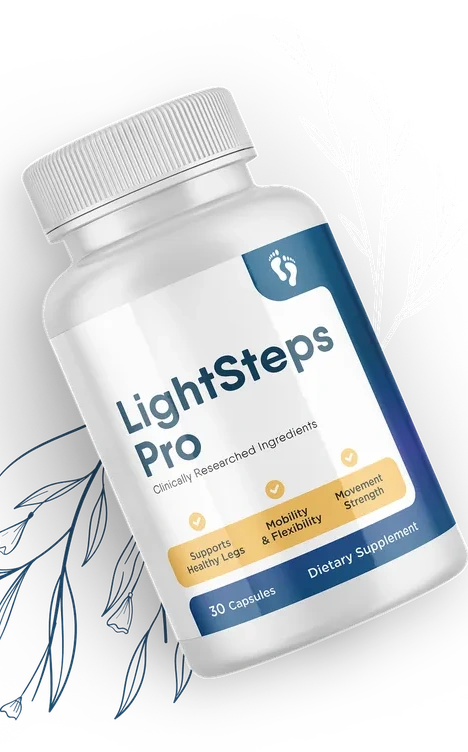
LightSteps Pro skips the turmeric debate with a different six-ingredient approach — pineapple bromelain, black cumin, hibiscus, beet root, shatavari and L-citrulline in one daily capsule, backed by a 60-day guarantee.
The distinction shows up in the trial literature itself. A systematic review and meta-analysis of randomised controlled trials in Current Rheumatology Reports looked specifically at the efficacy and safety of turmeric extracts for knee osteoarthritis (Wang and colleagues, 2021) — extracts, standardized to curcuminoids, rather than the spice.
The honest answer depends on your goal:
What you should not do is assume a cheap “turmeric 1000 mg” capsule with no standardization equals a real curcumin dose — it usually does not. And remember that curcumin, like every ingredient in this category, is a supportive helper for the body’s comfort response, not a treatment.
Curcumin also sits next to the other warming rhizome in the comfort aisle; if you want the side-by-side, our guide to ginger for joints covers how gingerols differ from curcuminoids and why the two are usually formulated together rather than swapped.
Curcumin is a fine ingredient, but it is not the only road to supporting comfort and mobility. LightSteps Pro takes a deliberately different, whole-system route: enzyme and botanical comfort support from pineapple bromelain and black cumin, antioxidant defence from hibiscus, and circulation support from beet root and L-citrulline, with shatavari for recovery. If curcumin’s absorption headaches put you off, a multi-actives formula built around a single daily capsule can be an appealing alternative — and the daily habits still matter most, as we cover in how to support healthy legs and joint mobility naturally.
For a neutral, government-published overview of what is and is not known, the National Center for Complementary and Integrative Health page on turmeric is the plainest summary available, including its notes on quality and on people who should be careful.
Turmeric as a food is very safe, but concentrated curcumin extracts are more potent and deserve a little caution. Talk to a healthcare professional before taking a curcumin supplement if you:
As always, start with the amount on the label, and let your own clinician weigh in on your medications and personal situation.
Turmeric is the golden root; curcumin is the concentrated active inside it, and turmeric is only 2 to 5% curcuminoids by weight. For joints, both are supportive of the body’s healthy comfort response rather than painkillers — but if you want a measured, consistent dose of the active, a standardized curcumin extract with an absorption aid beats plain turmeric every time. When you shop, ignore the front-panel milligrams and read the Supplement Facts: look for “standardized to 95% curcuminoids” plus piperine, phytosome or liposomal delivery. And remember that curcumin, like any single ingredient, works best inside a broader routine of movement, circulation support and comfort botanicals.
Turmeric is the whole golden root (Curcuma longa) used as a spice. Curcumin is one of the active compounds inside it, part of a family called curcuminoids. Turmeric powder is only about 2 to 5% curcuminoids by weight, so a standardized curcumin extract delivers far more of the active per capsule than plain turmeric.
For a measured, consistent amount of the active compound, a standardized curcumin extract is more concentrated than culinary turmeric. Turmeric root is wonderful in food, but its curcuminoid content is low and variable. Neither is a painkiller or a treatment for any joint condition; both are used to support the body’s healthy comfort response.
Plain curcumin is poorly absorbed because it does not dissolve well in water and is broken down quickly by the body. That is why quality supplements pair it with black pepper extract (piperine), which can improve absorption, or use specialized delivery forms such as phytosome, liposomal or micellar curcumin.
Standardized curcumin extracts are commonly used in the range of about 500 to 1,000 mg of curcuminoids per day, often with a small amount of piperine. Enhanced-absorption forms may use less because more of the active reaches the bloodstream. Always follow the label and consult a clinician if you take medication.
LightSteps Pro takes a different plant-first route to comfort and circulation, built around pineapple bromelain, black cumin seed, hibiscus, beet root, shatavari and L-citrulline. This guide explains curcumin versus turmeric so you can compare ingredient approaches and read any label with confidence.
Skip the absorption guesswork. LightSteps Pro pairs comfort botanicals with circulation support in a single daily capsule — best value on the multi-bottle packs.
Get LightSteps Pro Today
The LightSteps Pro Research Team is an independent group of nutrition and mobility writers who translate ingredient science into plain language for everyday readers. We review the published literature and traditional-use record for each botanical we cover, and we do not make disease or treatment claims. This article is educational and reflects general and traditional use of the ingredients discussed — it is not medical advice.
† These statements have not been evaluated by the FDA. This product is not intended to diagnose, treat, cure or prevent any disease. This article is for general information only and is not medical advice.