
| What it is | Ginger is the root of Zingiber officinale — a culinary spice and one of the oldest healing plants on record. |
| What it does | Traditionally used to support the body’s balanced comfort response and comfortable everyday movement — not a painkiller. |
| How it works | Its activity is attributed to pungent compounds called gingerols and, in dried ginger, shogaols. |
| Label tip | Look for Zingiber officinale standardized to a stated gingerol %, with a real milligram amount. |
Ginger is so familiar as a kitchen spice and a stomach-settling tea that it is easy to overlook its long second life in the mobility aisle. Yet ginger sits beside turmeric as one of the most studied culinary roots for everyday comfort, and its story is a neat lesson in how a warming, pungent flavour and a supportive mechanism come from the very same molecules. So it is worth asking plainly: what does ginger actually do for joints, how do its gingerols work, and how do you tell a serious extract from a decorative one on the label?
This guide answers those questions in the ingredient-and-mechanism spirit of everything we publish — no hype, no disease claims, just how the active behaves in the body, the tradition behind it, and the label details that matter.
Ginger is the underground stem — the rhizome — of Zingiber officinale, a tropical flowering plant cultivated for thousands of years across Asia. The same knobbly root you grate into a stir-fry has been used in traditional systems from Ayurveda to Chinese medicine, prized for its warming character and its wide range of traditional uses. In the supplement world, that root is dried and concentrated into a standardized extract so that each capsule delivers a consistent, measurable amount of its active compounds rather than relying on variable raw spice.
That distinction — between fresh culinary ginger and a standardized ginger extract — is exactly where label-reading skill pays off, as we will see. A cup of ginger tea is a lovely thing, but it is not the same as a measured extract standardized to its actives.
Here is the honest, compliant version. Ginger is traditionally used to support the body's healthy, balanced comfort response and comfortable everyday movement — the ordinary stiffness after a long walk, a day on your feet or a return to exercise. It is a supportive botanical, not a painkiller, and it does not treat, cure or prevent any joint condition.
Ginger sits firmly in the "work with the body's own processes" category rather than the "numb the signal" category. That is the same family as botanicals like boswellia serrata and black cumin seed and enzymes like pineapple bromelain — which is why, in thoughtfully designed formulas, comfort-support ingredients are combined rather than leaned on individually.
Ginger has been through the meta-analysis mill more than once. A meta-analysis of randomised placebo-controlled trials in Osteoarthritis and Cartilage assessed the efficacy and safety of ginger in osteoarthritis patients (Bartels and colleagues, 2015), and it remains one of the most cited summaries of this ingredient.
Everything interesting about ginger comes down to its pungent compounds — and, satisfyingly, the same molecules that make ginger taste hot are the ones behind its traditional effects.
Gingerols are the main pungent compounds in fresh ginger and are considered its signature actives. The best-known, 6-gingerol, is the compound most closely tied to ginger's traditional role in supporting the body's comfort response. Because of that, quality extracts report a standardized gingerol percentage — the mark of a manufacturer who understands what actually matters.
Here is a detail most people never learn. When ginger is dried or heated, some of its gingerols convert into related compounds called shogaols, which are even more pungent. This is why dried ginger tastes sharper than fresh, and it means the exact mix of actives can differ between a fresh root, a dried powder and a concentrated extract. A good extract accounts for this by standardizing to a stated actives content.
Gingerols and shogaols are studied for the way they interact with the body's natural signalling around its comfort-and-recovery processes after everyday activity. Rather than blocking a pain sensation the way a drug does, ginger is traditionally used to help the body maintain its own balanced response — supporting comfort from the inside. This is the same "support the body's balance" theme we explore with antioxidant botanicals like hibiscus.
Ginger and turmeric are botanical relatives — both are rhizomes in the ginger family — and they are so often mentioned in the same breath that people assume they are interchangeable. They are not. Ginger works through gingerols and shogaols; turmeric works through curcuminoids such as curcumin. Different molecules, different (though complementary) mechanisms. That is precisely why the two are so often paired in comfort formulas rather than swapped for each other. If you want the full turmeric side of that story — including why curcumin is so hard to absorb and how black pepper helps — see our companion guide, curcumin vs turmeric for joints.
A later PRISMA systematic review and meta-analysis in Pain Physician revisited the question, looking at the effectiveness of ginger on pain and function in knee osteoarthritis (Araya-Quintanilla and colleagues, 2020). The doses used in that literature are where the numbers in the next section come from.
As with every botanical, the useful question is not "how many milligrams of ginger?" but "how much of the gingerol fraction?" Here is how the numbers usually look:
A quality label will name the species (Zingiber officinale), give a real milligram amount, and ideally state a gingerol standardization. If a product lists only "ginger" with no standardization figure, you cannot judge its potency — a red flag worth remembering. For a complete walk-through of standardization percentages and proprietary blends, see our guide on how to read a joint supplement label.
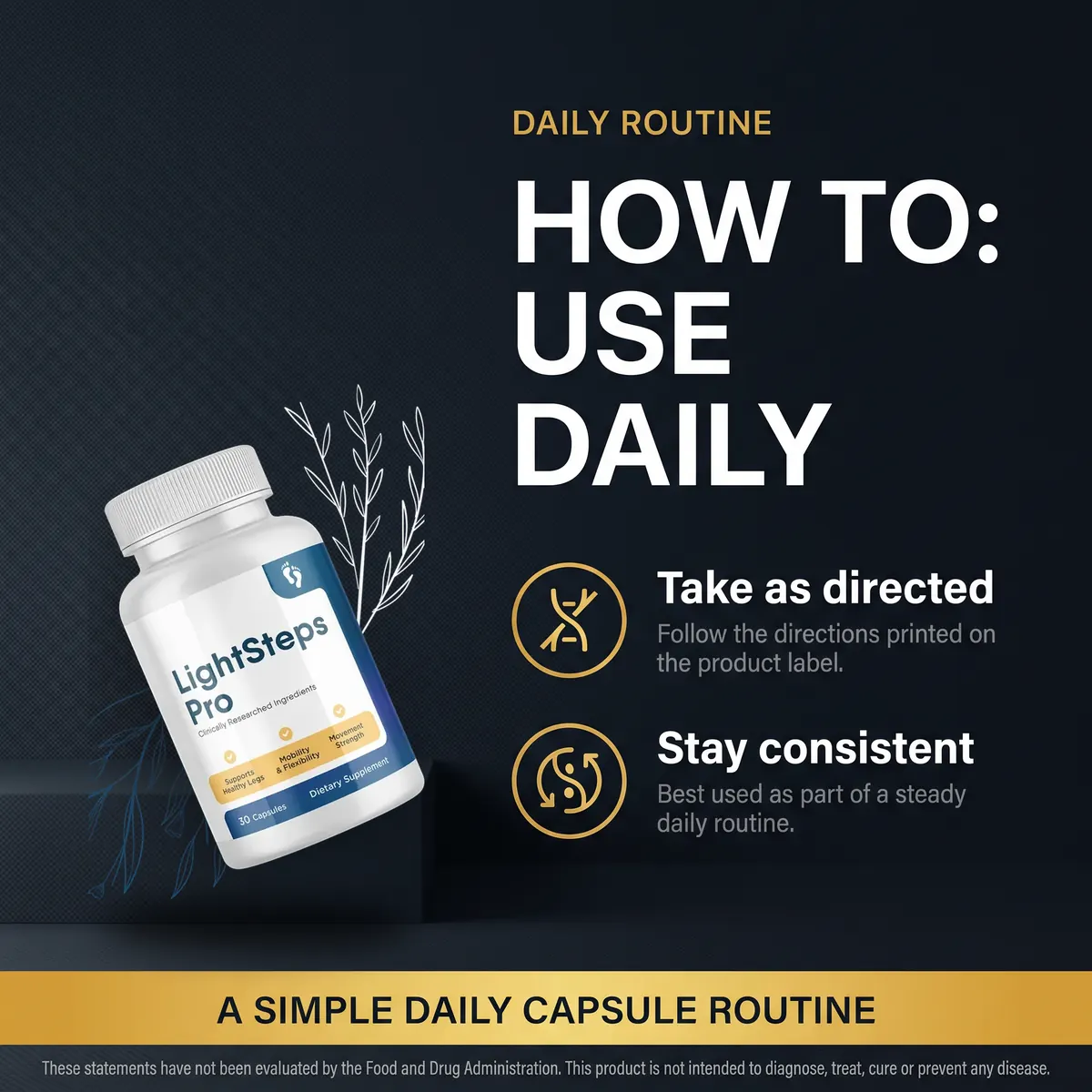
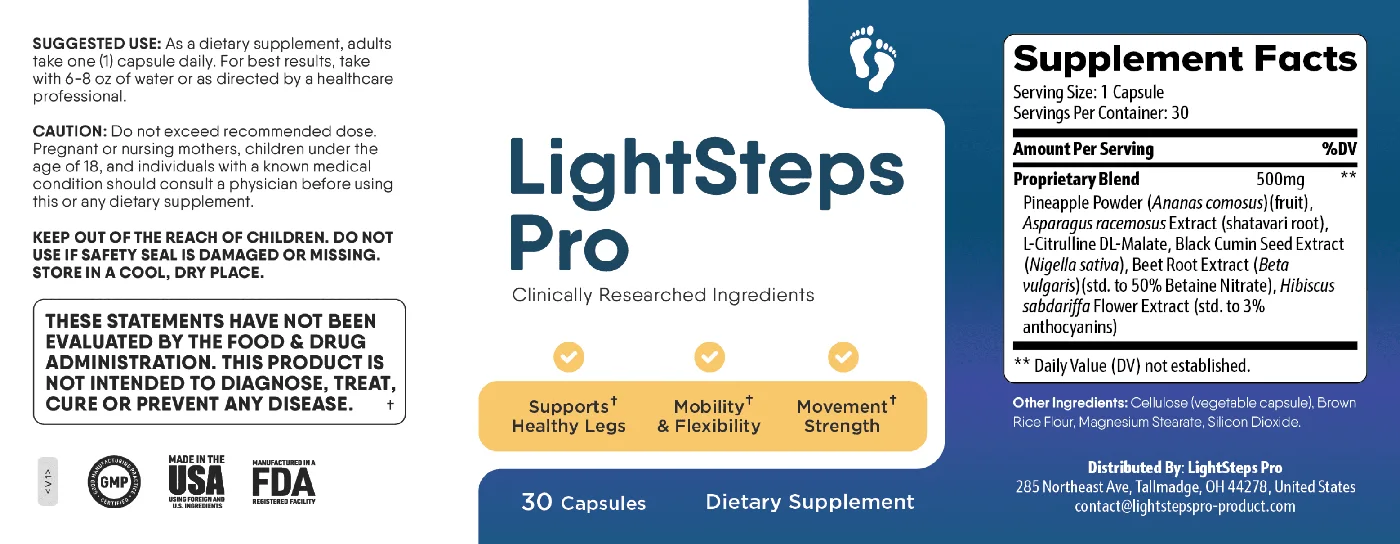
LightSteps Pro takes a whole-system approach with six plant actives — pineapple bromelain, black cumin, hibiscus, beet root, shatavari and L-citrulline — in one daily capsule, backed by a 60-day guarantee.
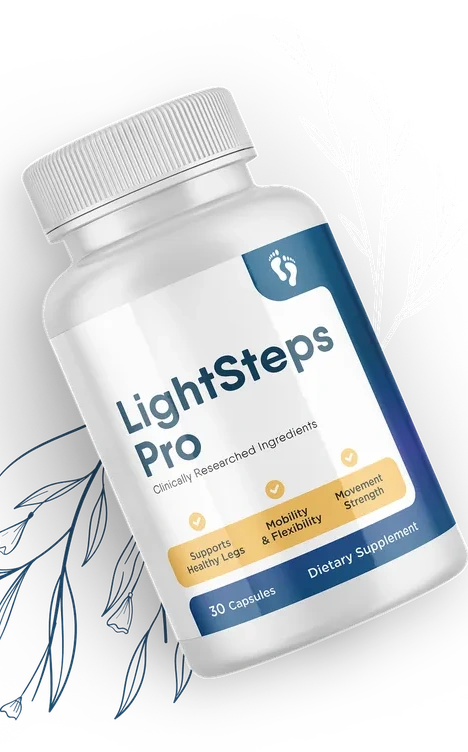
No single ingredient carries a mobility routine, and ginger is no exception. It plays the comfort-support role, and it does its best work alongside the other pillars of comfortable movement: circulation support, recovery support and, above all, consistent movement. Circulation is supported by nitrate-rich ingredients such as beet root, while the everyday habits that do the heavy lifting are gathered in our guide to supporting healthy legs and joint mobility naturally. Ginger is a fine comfort ingredient, and a formula like LightSteps Pro reaches similar comfort-and-circulation goals through a complementary set of plant actives.
The National Center for Complementary and Integrative Health page on ginger is the plainest public summary of what is known about safety, interactions and the limits of the evidence, and it is worth reading before you add ginger to a routine that already includes medication.
Ginger is generally well tolerated, and it is a food, but concentrated extracts are more potent than the kitchen version. Talk to a healthcare professional before using ginger supplements if you:
Mild heartburn or digestive upset are the most commonly reported effects, usually at higher amounts. Start with the amount on the label, give any new ingredient time, and let your own clinician weigh in on your medications and personal situation.
Ginger — Zingiber officinale — is a genuine culinary classic with a long traditional record of supporting the body's balanced comfort response and comfortable everyday movement. Its value lives in its pungent actives, the gingerols (and, in dried ginger, the shogaols), and it is a supportive botanical rather than a painkiller or a cure. When you shop, look past the front-panel milligrams to the standardization: the species Zingiber officinale and a stated gingerol percentage. Remember that ginger and turmeric are complementary cousins, not substitutes — and that ginger, like any single ingredient, delivers most as one instrument in a wider routine of comfort, circulation and consistent movement.
Ginger (Zingiber officinale) is a culinary root traditionally used to support the body’s balanced comfort response and comfortable everyday movement. Its activity is attributed to pungent compounds called gingerols and shogaols. Ginger is a supportive botanical rather than a painkiller and does not treat or cure any joint condition.
Gingerols are the main pungent compounds in fresh ginger and are considered its signature actives. When ginger is dried or heated, some gingerols convert into shogaols, which are even more pungent. Standardized ginger extracts are often measured by their gingerol content, so that percentage is a useful marker of potency.
Ginger and turmeric are related root spices but have different actives: ginger works through gingerols and shogaols, while turmeric works through curcuminoids such as curcumin. They are often used together because their mechanisms complement each other, but they are not interchangeable.
Ginger is commonly used in the range of about 500 to 2,000 mg of ginger per day as a powder or extract, ideally standardized to a stated gingerol percentage. Concentrated extracts may be used at lower amounts. Follow the label and consult a clinician if you take blood thinners or have a medical condition.
Look for the species Zingiber officinale, a clear milligram amount, and ideally a standardization to total gingerols. A product that lists only “ginger” with no standardization figure gives you no way to judge its potency, so a stated gingerol percentage is a mark of a serious extract.
Give your legs and joints six plant actives in one daily capsule — pineapple bromelain, black cumin, hibiscus, beet root, shatavari and L-citrulline. Best value on the multi-bottle packs.
Get LightSteps Pro Today
The LightSteps Pro Research Team is an independent group of nutrition and mobility writers who translate ingredient science into plain language for everyday readers. We review the published literature and traditional-use record for each botanical we cover, and we do not make disease or treatment claims. This article is educational and reflects general and traditional use of the ingredients discussed — it is not medical advice.
† These statements have not been evaluated by the FDA. This product is not intended to diagnose, treat, cure or prevent any disease. This article is for general information only and is not medical advice.