
| What it is | Boswellia is the resin of Boswellia serrata, the Indian frankincense tree — a classic Ayurvedic botanical. |
| What it does | Traditionally used to support the body’s balanced comfort response and comfortable everyday movement — not a painkiller. |
| How it works | Its activity is attributed to boswellic acids, especially AKBA (acetyl-11-keto-beta-boswellic acid). |
| Label tip | Look for “Boswellia serrata, std. ~65% boswellic acids” and ideally a stated AKBA %. |
Boswellia is one of the oldest medicines humans have written down. As frankincense, its aromatic resin was traded across the ancient world and burned in temples from Egypt to India. As a supplement, the same resin — standardized and measured — has become one of the most recognisable names in the joint-and-mobility aisle. So it is worth asking plainly: what does boswellia serrata actually do for joints, how do its boswellic acids and AKBA work, and how do you tell a serious extract from a decorative one?
This guide answers those questions in the ingredient-and-mechanism spirit of everything we publish — no hype, no disease claims, just how the active behaves in the body, the tradition behind it, and the label details that separate a meaningful dose from marketing.
Boswellia is a gum resin tapped from the bark of Boswellia serrata, a hardy tree that grows in the dry hill country of India. When the bark is scored, the tree weeps a fragrant resin that hardens into golden tears — the same substance known for millennia as Indian frankincense and used in Ayurveda under the Sanskrit name salai guggul.
For supplement use, this resin is collected, dried and concentrated into a standardized extract. The point of standardization is to guarantee a consistent amount of the resin’s active fraction — the boswellic acids — rather than relying on raw, variable resin. That distinction between raw frankincense and a standardized boswellia extract is exactly where label-reading skill pays off, as we will see.
Here is the honest, compliant version. Boswellia is traditionally used to support the body’s healthy, balanced comfort response and comfortable everyday movement. It is a supportive botanical, not a painkiller, and it does not treat, cure or prevent any joint condition. Its long traditional record is precisely in the realm of keeping active people comfortably mobile — the ordinary stiffness after a long walk, a day on your feet, or a return to exercise.
Boswellia sits firmly in the “work with the body’s own processes” category rather than the “numb the signal” category. That is the same family as botanicals like black cumin seed and enzymes like pineapple bromelain — which is why, in thoughtfully designed formulas, comfort-support ingredients are combined rather than leaned on individually.
Everything interesting about boswellia comes down to a group of compounds called boswellic acids. These are the resin’s signature actives, and modern extracts are measured by how much of them they contain.
Among the boswellic acids, one stands out: AKBA, short for acetyl-11-keto-beta-boswellic acid. It is generally considered the most active of the group and the compound most closely tied to boswellia’s traditional effects on the body’s comfort response. Because of that, the best extracts report not just total boswellic acids but a specific AKBA percentage — the mark of a manufacturer who understands what actually matters.
Boswellic acids are studied for the way they interact with the body’s natural signalling around its comfort-and-recovery processes after everyday activity. Rather than blocking a pain sensation the way a drug does, boswellia is traditionally used to help the body maintain its own balanced response — supporting comfort from the inside rather than masking it. This is a supportive, whole-system idea, and it is why boswellia partners so well with circulation and recovery ingredients rather than duplicating them.
Boswellia is one of the better-studied botanicals in this category. A systematic review and meta-analysis in Phytotherapy Research assessed the efficacy of extracts of the oleogum resin of Boswellia in the treatment of knee osteoarthritis (Dalmonte and colleagues, 2024), and it is the resin extract — standardized and measured — that these trials use.
As with every botanical, the useful question is not “how many milligrams of boswellia?” but “how much of the boswellic-acid fraction, and how much AKBA?” Here is how the numbers usually look:
A quality label will name the species (Boswellia serrata), the standardization to total boswellic acids, and ideally the AKBA percentage. If a product lists only “frankincense” or “boswellia” with no standardization figure, you cannot judge its potency — a red flag worth remembering. For a complete walk-through of standardization percentages, activity units and proprietary blends, see our companion guide on how to read a joint supplement label.
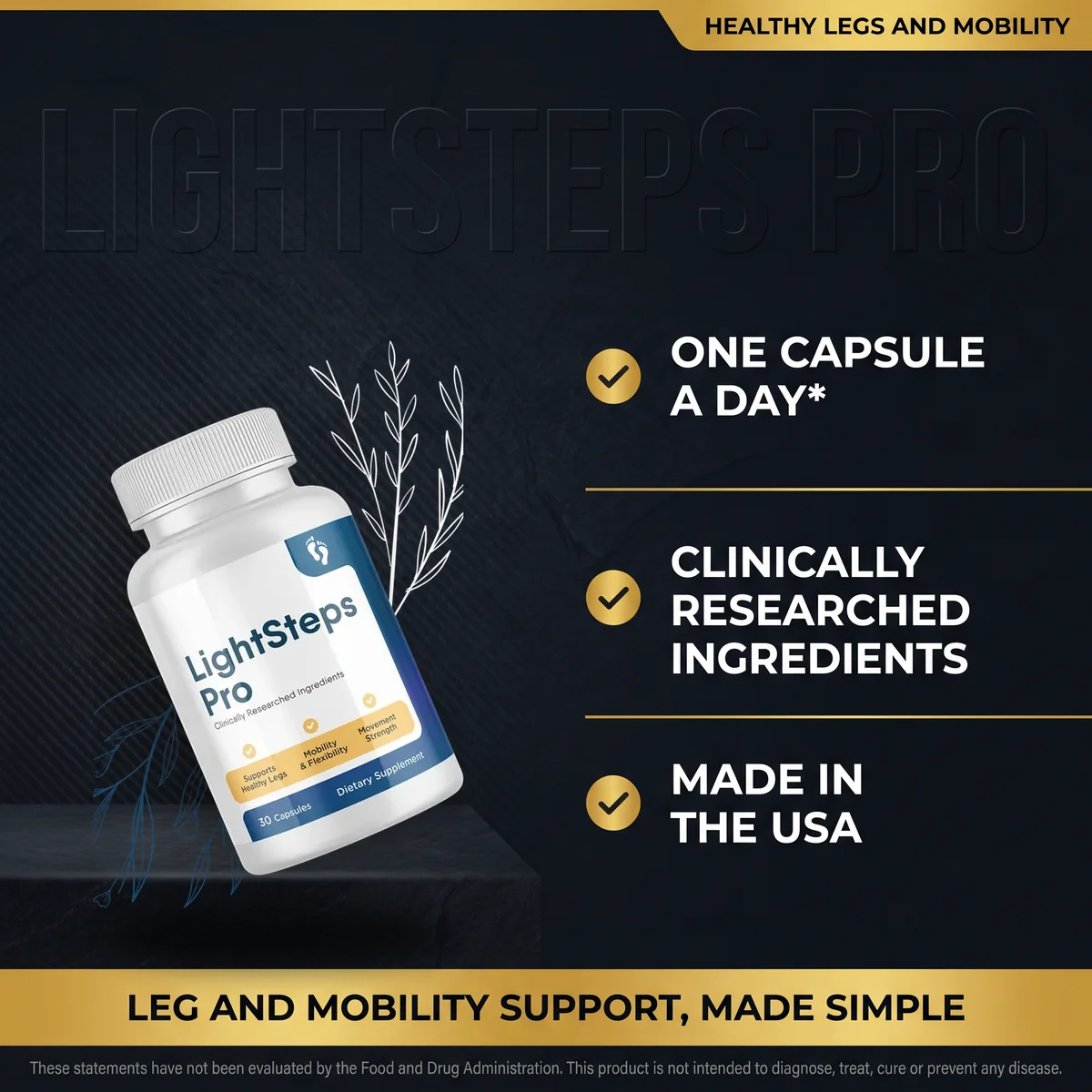
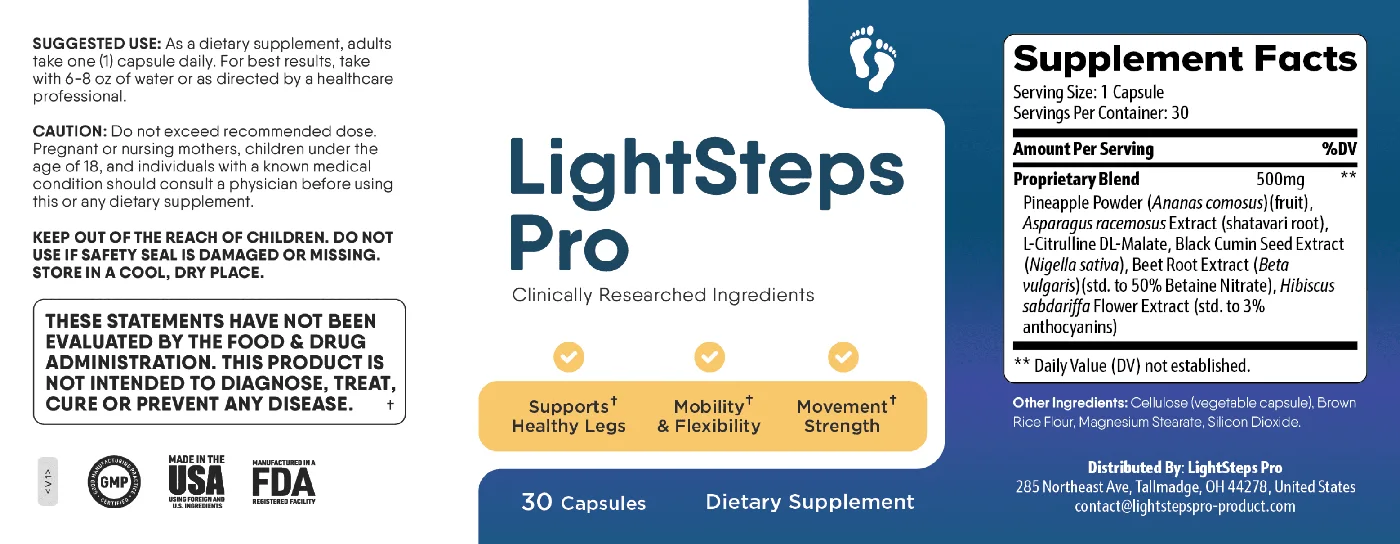
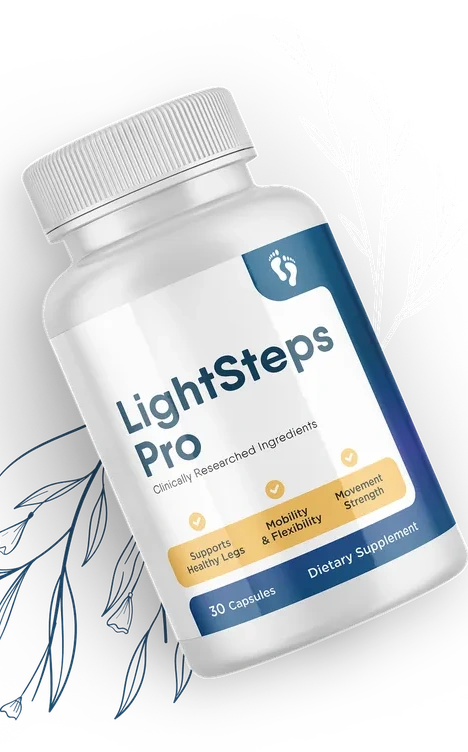
LightSteps Pro takes a whole-system approach with six plant actives — pineapple bromelain, black cumin, hibiscus, beet root, shatavari and L-citrulline — in one daily capsule, backed by a 60-day guarantee.
Standardization is not an abstraction here. A randomised, placebo-controlled study reported that a standardized Boswellia serrata extract improved knee joint function and cartilage morphology in human volunteers with mild to moderate osteoarthritis (Kumar and colleagues, Journal of the American Nutrition Association, 2025) — note that the word doing the work in that sentence is “standardized.”
Because boswellia and frankincense come from the same genus of trees, the two names get muddled, and it matters. Frankincense essential oil is a fragrant, volatile oil steam-distilled from the resin, used in aromatherapy and skincare — and, crucially, it contains very little boswellic acid, because those compounds are not volatile and largely stay behind during distillation. A boswellia supplement, by contrast, uses a resin extract deliberately concentrated for its boswellic acids and measured to a standardization. So a bottle of frankincense oil is not a substitute for a standardized boswellia extract — they are different products aimed at different uses.
If you are weighing boswellia against the other classic comfort botanicals, the two closest comparisons are ginger and its gingerols and the curcumin-versus-turmeric question, both of which run into the same standardization and absorption issues from a different direction.
No single ingredient carries a mobility routine, and boswellia is no exception. It plays the comfort-support role, and it does its best work alongside the other pillars of comfortable movement: circulation support, recovery support, and above all consistent movement. Circulation is covered by nitrate-rich ingredients such as beet root and the amino acid L-citrulline, while the everyday habits that do the heavy lifting — movement, nutrition and rest — are pulled together in our guide to supporting healthy legs and joint mobility naturally. Boswellia is a fine comfort ingredient, and a formula like LightSteps Pro reaches similar comfort-and-circulation goals through a complementary set of plant actives.
For a sense of where boswellia sits among the alternatives, a network meta-analysis in Nutrients compared the effectiveness of nutritional supplements in the treatment of knee osteoarthritis (Zhang and colleagues, 2025). Comparative rankings of this kind are useful context, not a promise about any individual product.
Boswellia is generally well tolerated, but “natural” never means “consequence-free.” Talk to a healthcare professional before using boswellia if you:
Mild digestive upset is the most commonly reported effect. As always, start with the amount on the label, give any new ingredient time, and let your own clinician weigh in on your medications and personal situation.
Boswellia serrata — Indian frankincense — is a genuine ancient classic with a long traditional record of supporting the body’s balanced comfort response and comfortable everyday movement. Its value lives in its boswellic acids, above all AKBA, and it is a supportive botanical rather than a painkiller or a cure. When you shop, look past the front-panel milligrams to the standardization: the species Boswellia serrata, a total boswellic-acid figure (often around 65%), and ideally a stated AKBA percentage. And remember that boswellia, like any single ingredient, delivers most as one instrument in a wider routine of comfort, circulation and consistent movement.
Boswellia serrata, also called Indian frankincense, is a tree resin traditionally used to support the body’s healthy, balanced comfort response and comfortable everyday movement. Its activity is attributed to boswellic acids. It is a supportive botanical rather than a painkiller, and it does not treat or cure any joint condition.
AKBA stands for acetyl-11-keto-beta-boswellic acid, considered the most active of the boswellic acids in boswellia resin. Because it is the marker most tied to the herb’s traditional effects, better extracts are standardized to a stated AKBA percentage in addition to total boswellic acids.
Standardized boswellia extracts are commonly used in the range of about 300 to 500 mg, taken one to three times a day, typically standardized to around 65% boswellic acids. Enhanced AKBA extracts may be used at lower amounts. Always follow the label and consult a clinician if you take medication.
Look for the species Boswellia serrata, a standardization to total boswellic acids (often around 65%), and ideally a stated AKBA percentage. Avoid products that list only “frankincense” or “boswellia” with no standardization figure, because you cannot judge their potency.
They come from the same genus of trees. Frankincense is the aromatic resin used for incense and essential oils, while boswellia supplements use a standardized extract of Boswellia serrata resin concentrated for its boswellic acids. The supplement is measured and standardized in a way that raw resin or essential oil is not.
Give your legs and joints six plant actives in one daily capsule — pineapple bromelain, black cumin, hibiscus, beet root, shatavari and L-citrulline. Best value on the multi-bottle packs.
Get LightSteps Pro Today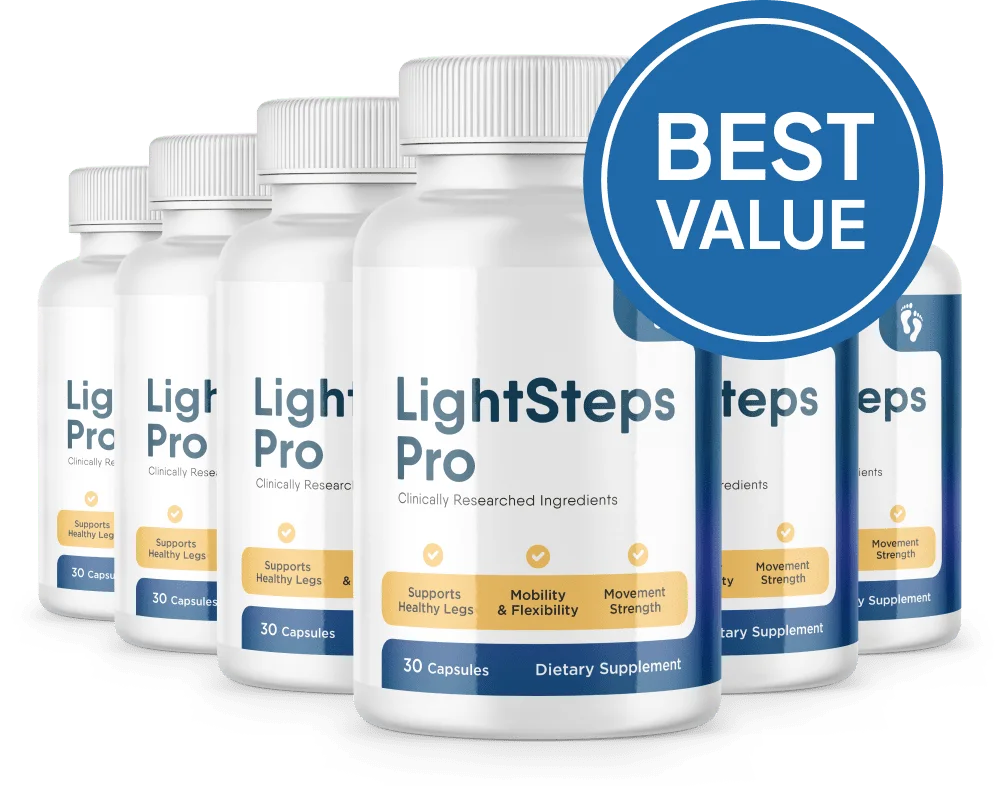
The LightSteps Pro Research Team is an independent group of nutrition and mobility writers who translate ingredient science into plain language for everyday readers. We review the published literature and traditional-use record for each botanical we cover, and we do not make disease or treatment claims. This article is educational and reflects general and traditional use of the ingredients discussed — it is not medical advice.
† These statements have not been evaluated by the FDA. This product is not intended to diagnose, treat, cure or prevent any disease. This article is for general information only and is not medical advice.